
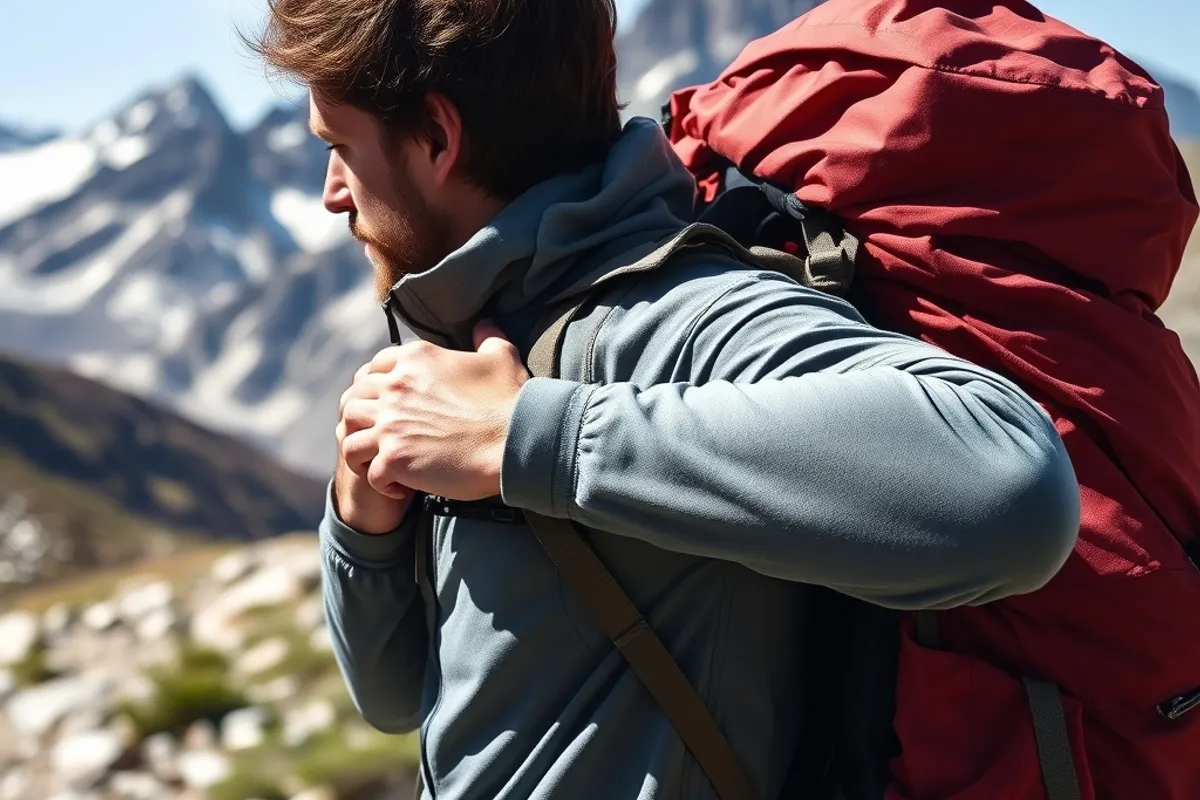
Mountain Retreat Packing List: 12 Essentials for Cool-Weather Stays
Mountain weather changes faster than a forecast. A short, layered packing list keeps a cabin week comfortable without filling the car.
Mountain weather is less a forecast than a series of small changes. A sunny morning can turn into cold cloud by lunch, and a dry trail can become slippery in an hour. The answer is not a bigger bag; it is a shorter list of layers that work together.
This is the packing list we use for a cool-weather mountain week in 2026, from a cabin at 1,500 metres to a lodge above 2,500. It assumes you will cook at least some meals and walk most days.
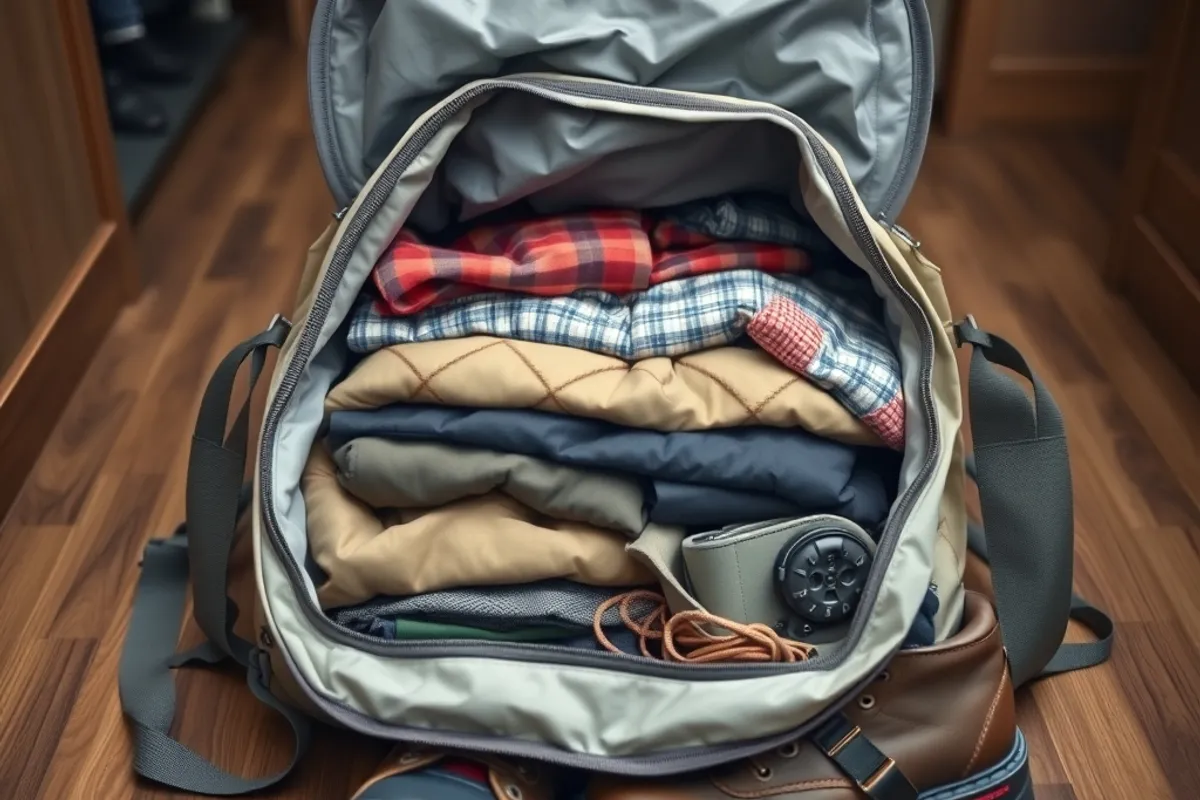
1. A base layer that dries fast
Cotton holds moisture and cools you down when you stop moving. Choose a synthetic or merino base layer for walking days and a second one for sleeping. Two is enough for a week if you rinse them; three is a luxury.
2. A warm mid layer
A fleece or light synthetic jacket is the workhorse of a mountain trip. It should fit under your shell without restricting your arms. Pack one, not three. If the evenings are very cold, a thin down jacket adds warmth for very little weight.
3. A waterproof shell
Rain in the mountains is often wind-driven, so a hood matters as much as the fabric. Check that the shell fits over your mid layer and that the pockets are usable with a pack on. A cheap poncho is not a substitute on an exposed trail.
4. Walking trousers, not jeans
Jeans are heavy, slow to dry and uncomfortable when wet. Bring one pair of walking trousers and one softer pair for the evening. If you plan to sit outside, add a thin pair of leggings or thermals underneath.
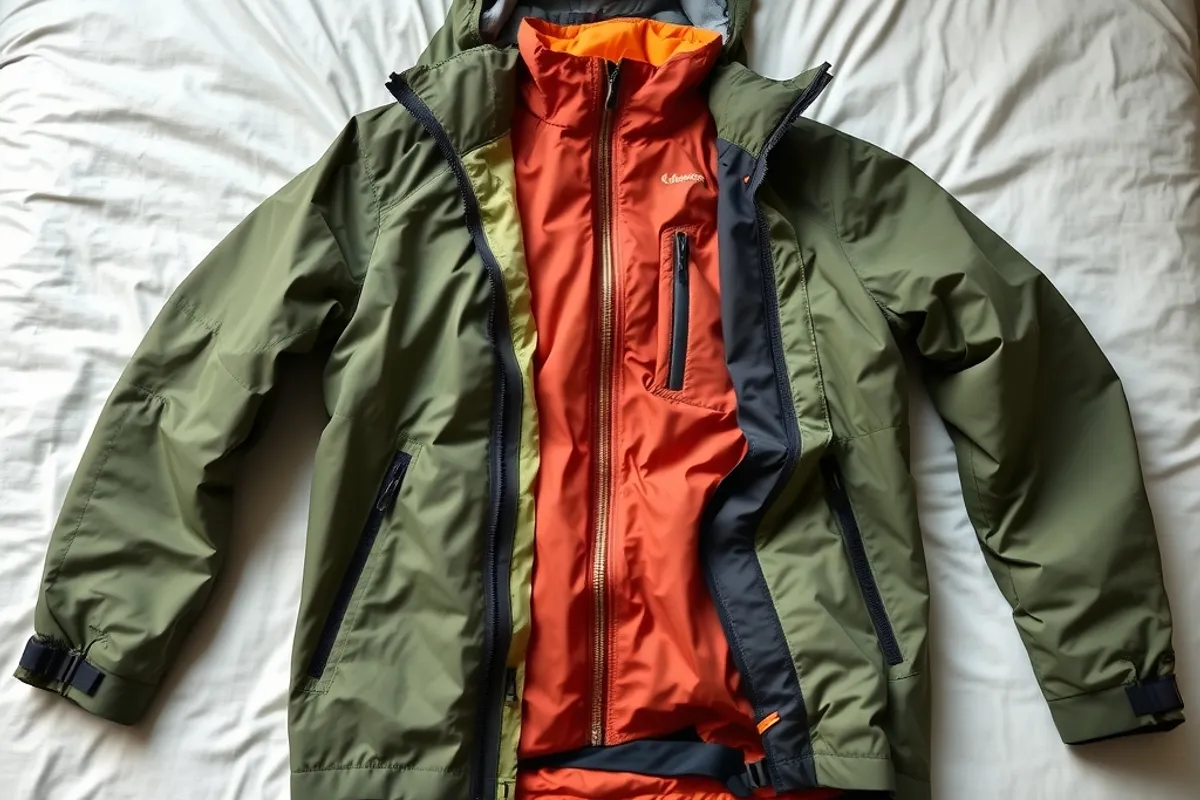
5. Boots with grip, plus camp shoes
Trails in the hills are often rocky, muddy or wet. Wear boots you have already broken in and check the tread before you travel. Pack a light pair of shoes or sandals for the cabin so you are not wearing wet boots indoors.
6. Wool socks and a spare pair
Cold, damp feet ruin a walk faster than cold hands. Bring two or three pairs of wool or synthetic socks and dry them properly. Avoid cotton socks for hiking, especially in cool weather.
7. Hat, gloves and a warm neck layer
These small items make a disproportionate difference at altitude. A beanie, light gloves and a buff or scarf fit in a corner of the bag and turn a cold evening on the deck into something you can enjoy. Pack them even if the forecast looks mild.
8. A head torch
Mountain evenings arrive early, and power cuts happen. A head torch is safer than a phone light when you are finding the path to the cabin or reading during an outage. Bring spare batteries or a charging cable.
9. Water bottle and a small filter
Do not assume every stream is safe to drink. Carry a bottle and refill from taps or treated sources. A small filter or purification tablets are useful on longer walks where the refill options are uncertain.
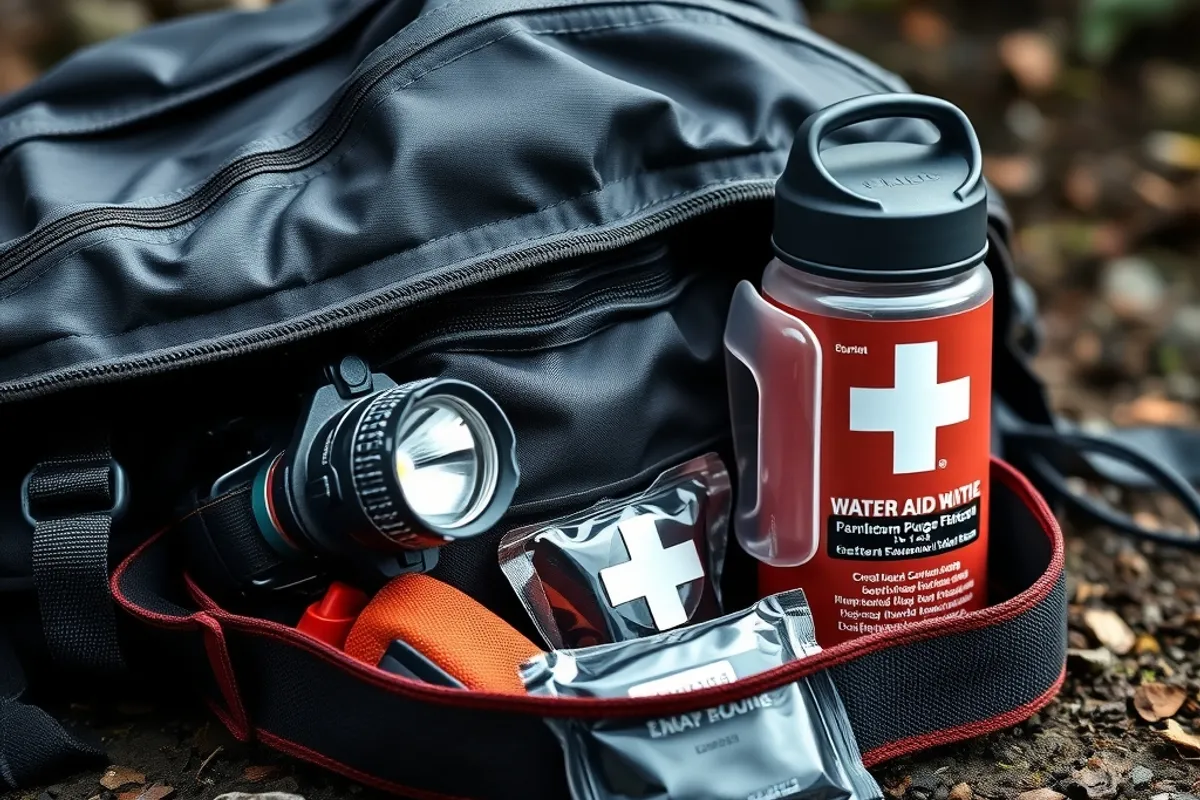
10. A basic first-aid and repair kit
Blister plasters, painkillers, a small bandage, tape and a needle are enough for most trips. Add a repair patch for a jacket or a sleeping mat. You are unlikely to use most of it, which is the point.
11. Food basics and a proper knife
If you are cooking, pack the small things that ruin a meal when missing: oil, salt, coffee, a sharp knife and a lighter. A folding cutting board and a couple of food bags make a cabin kitchen much easier. Check the local rules about bringing food across borders.
12. A dry bag for the day pack
A lightweight dry bag or pack cover keeps a map, phone and spare layer usable in rain. It also protects a camera on a wet walk. This is the item most people leave behind and most wish they had.
Pack for the hour after the weather turns, not for the photo at the viewpoint.
Naomi Sato
What to leave at home
Leave the heavy camera bag you will not carry, the second pair of jeans and the shoes you have never worn on a trail. Mountain trips reward lightness more than choice. If you are flying, check the baggage allowance before you buy a new jacket.
For the planning side, read our guide to choosing a mountain retreat. For a lower-impact packing approach, see the eco tourism guide.
Key facts
- Three layers: fast-dry base, warm mid, waterproof shell.
- Broken-in boots, wool socks and camp shoes.
- Hat, gloves and a head torch for cold evenings.
- Water treatment and a small first-aid kit.
- A dry bag for the day pack and a sharp knife for the kitchen.
Final word
You do not need much for a mountain week. You need the right few things to be dry, warm and able to walk. Pack those, leave the rest, and spend the saved weight on a better lunch.