

Eco Tourism Guide 2026: How to Travel with Less Impact
Eco tourism is not a badge on a brochure. It is a set of trade-offs you make before you book, and a few honest questions you ask on arrival.
Eco tourism is one of the easiest claims to print and one of the hardest to verify. A leaf on a booking page does not tell you where the water comes from, who owns the land or whether the staff are paid properly. The useful question is not "is this eco?" but "what does this place actually do?"
This guide explains the trade-offs behind low-impact travel in 2026, how to spot greenwashing and which choices make a real difference without turning a holiday into an audit.

Start with the biggest lever: transport
For most trips, the journey is the largest part of the footprint. A short flight can outweigh a week of careful choices at the destination. This does not mean never fly; it means choose the trip where the transport makes sense. A train, a bus or a full car often beats a flight on shorter routes.
If you fly, stay longer and travel overland once you arrive. One longer trip is usually better than three short ones. For regional travel, consider a night train or a coach, and compare the total door-to-door time rather than the flight only.
Choose stays that can explain themselves
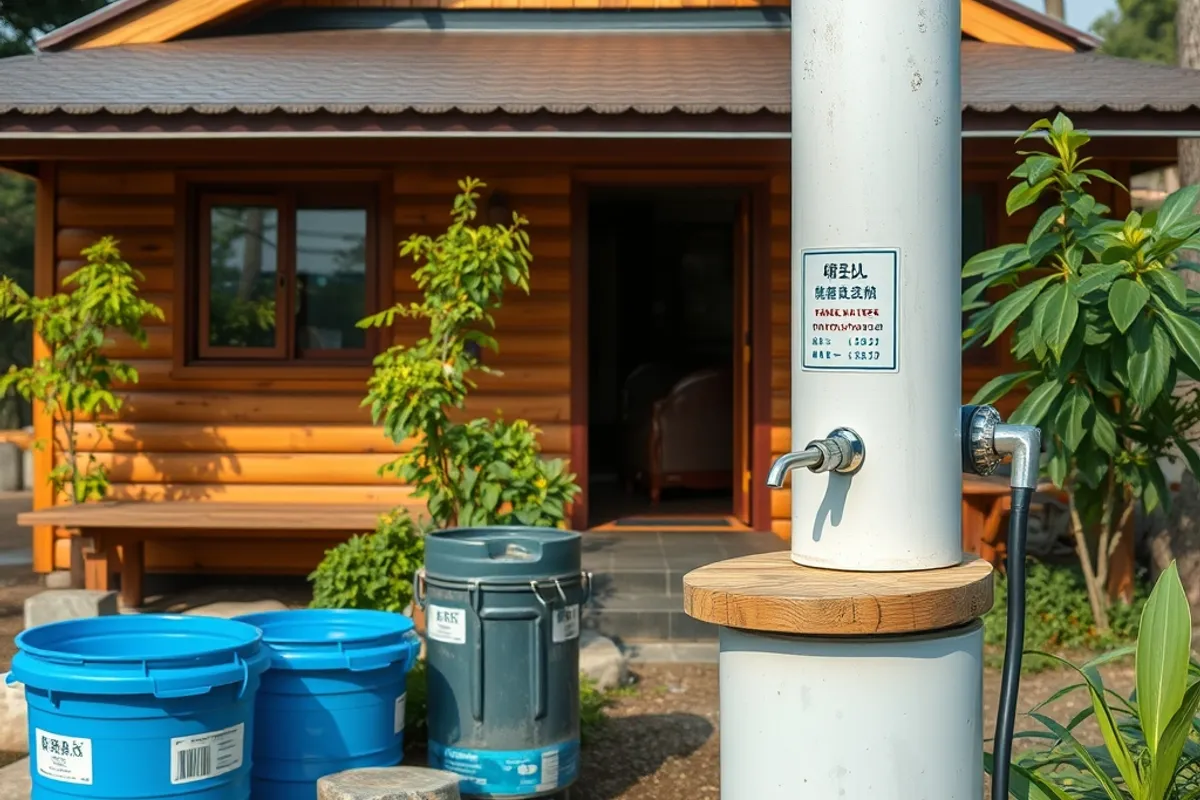
Ask direct questions: where does the water come from, how is waste handled, what is solar and what is diesel, and how many staff live locally. A good host answers plainly. A vague answer about "being green" is not evidence.
Look for small, specific actions: refillable water, separated waste, local food, fair wages, low-flow fittings and a real plan for the low season. Certifications can help, but they vary by country; the operator's behaviour matters more than a logo.
Avoid the greenwash checklist
Common signals of greenwashing include a single reusable straw in a room with a private pool, a towel card while the air conditioning runs all day, and "eco" tours that feed wildlife or crowd animals for photographs. Ask what the tour actually does and whether it changes animal behaviour.
Be sceptical of claims that cost the operator nothing: a website badge, a phrase about "respecting nature" or a tree planted for every booking without evidence. Ask for a number and a location. If the answer is a brochure, keep asking.
Spend in the local economy
Money that stays in the community is one of the most reliable forms of sustainable tourism. Use local guides, family-run guesthouses, independent restaurants and shops. Ask who owns the business and where the food was grown. A large resort can be well run, but a small local stay often keeps more value in place.
Pay fairly and do not bargain below a reasonable price. A cheap tour is often cheap because someone else is absorbing the cost. If a price seems too low for the transport, the food and the guide's time, it probably is.
Treat wildlife as wildlife
Keep your distance, do not feed animals and do not chase a photograph. Choose operators who limit group size, avoid nesting areas and refuse to handle wildlife for entertainment. If an animal is being passed around for selfies, leave.
Marine activities need extra care: do not stand on coral, use reef-safe sunscreen and follow the dive briefing. A good operator will cancel a trip if conditions are wrong, and that is a sign of competence rather than poor service.
If a green claim cannot be described in one concrete sentence, it is probably marketing.
Clara Bennett
Reduce what you carry and leave
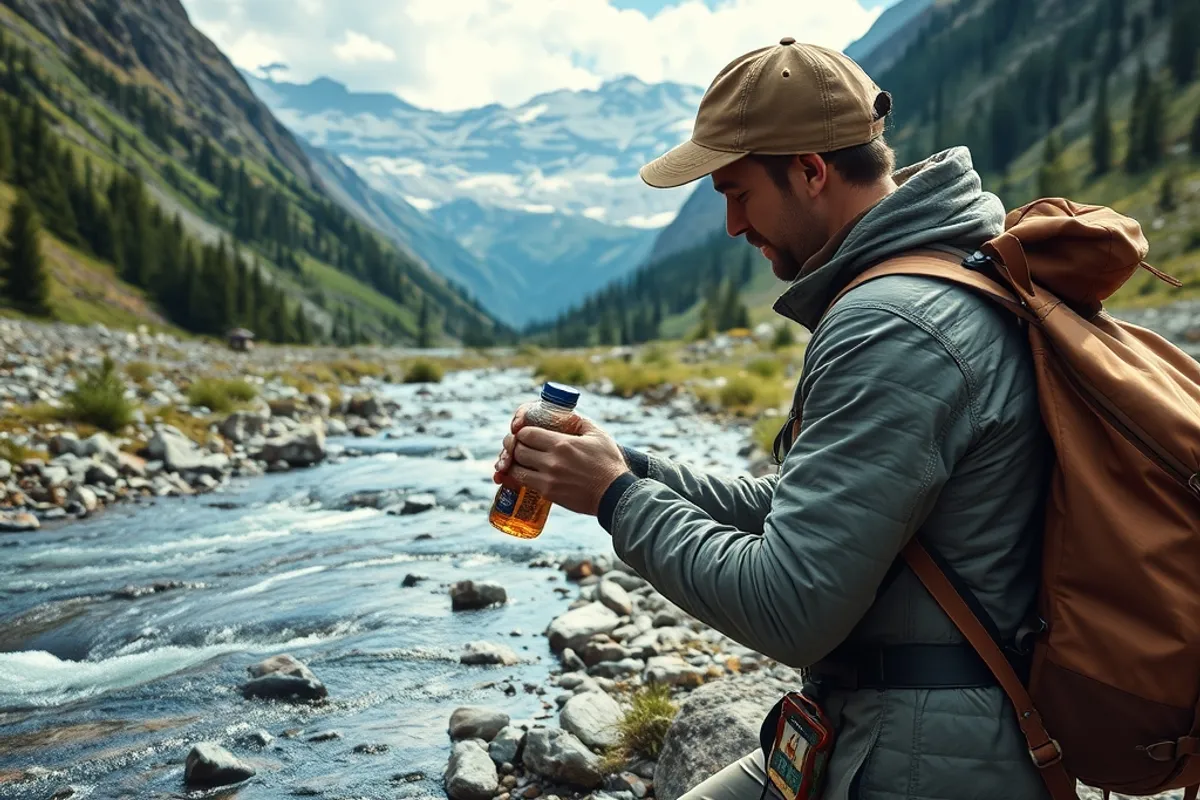
Bring a refillable bottle, a small bag for rubbish and fewer single-use items. Do not leave clothes or equipment behind unless a local group has asked for them; well-meant donations can become waste. Take batteries and e-waste home if there is no safe disposal.
Water is often the hidden issue. In dry regions, a long shower and a private pool cost more than the bill shows. Use water as if it were carried by hand, because in many places it is.

Accept the trade-offs
There is no perfectly sustainable trip. A train may be full, a local stay may have thin walls, and a remote eco-lodge may still use a generator. The aim is to make better choices where they matter and to be honest about the rest.
One return flight avoided, one week longer in one place, one local guide chosen over a large operator: these are real. A perfect score is not. For specific places to stay, see our guide to sustainable stays that get it right.
Key facts
- Transport is usually the largest part of a trip's footprint.
- Ask concrete questions about water, waste, energy and staff.
- Treat badges and "eco" claims as questions, not proof.
- Spend with locally owned businesses and pay fairly.
- Keep distance from wildlife and follow marine rules.
Final word
Eco tourism is not a product you buy. It is a set of choices you can explain. Ask better questions, stay longer and spend locally, and the trip will do more good and less harm.