
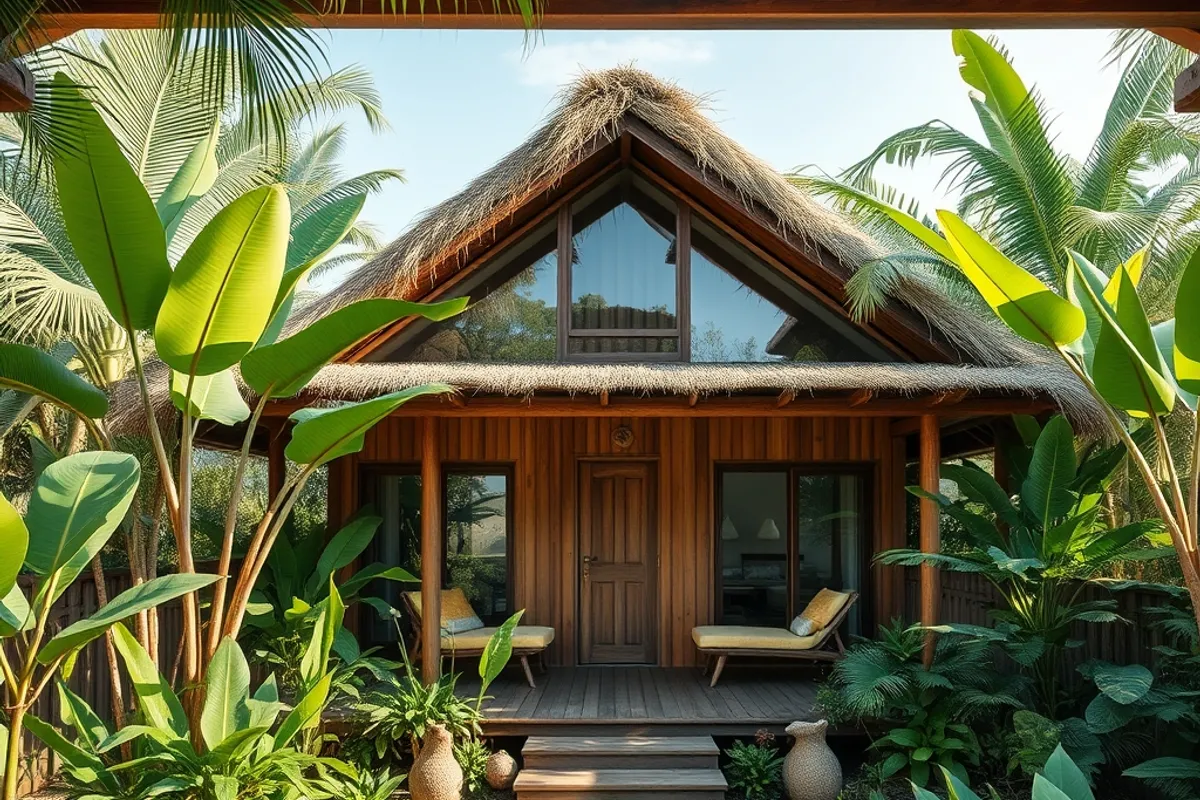
Eco Tourism in 2026: 8 Sustainable Stays That Get It Right
A green label is easy to print. These eight stays earn the description through how they use water, energy, staff and local suppliers.
A sustainable stay is not defined by its architecture. It is defined by how it uses water and energy, how it treats staff and neighbours, and whether the money it earns stays in the place. A simple guesthouse can outperform a glossy eco-lodge on every one of those counts.
These eight kinds of stay for 2026 are chosen because the model works, not because the brochure is beautiful. Use them as a checklist when you compare places. For the wider context, read our eco tourism guide.
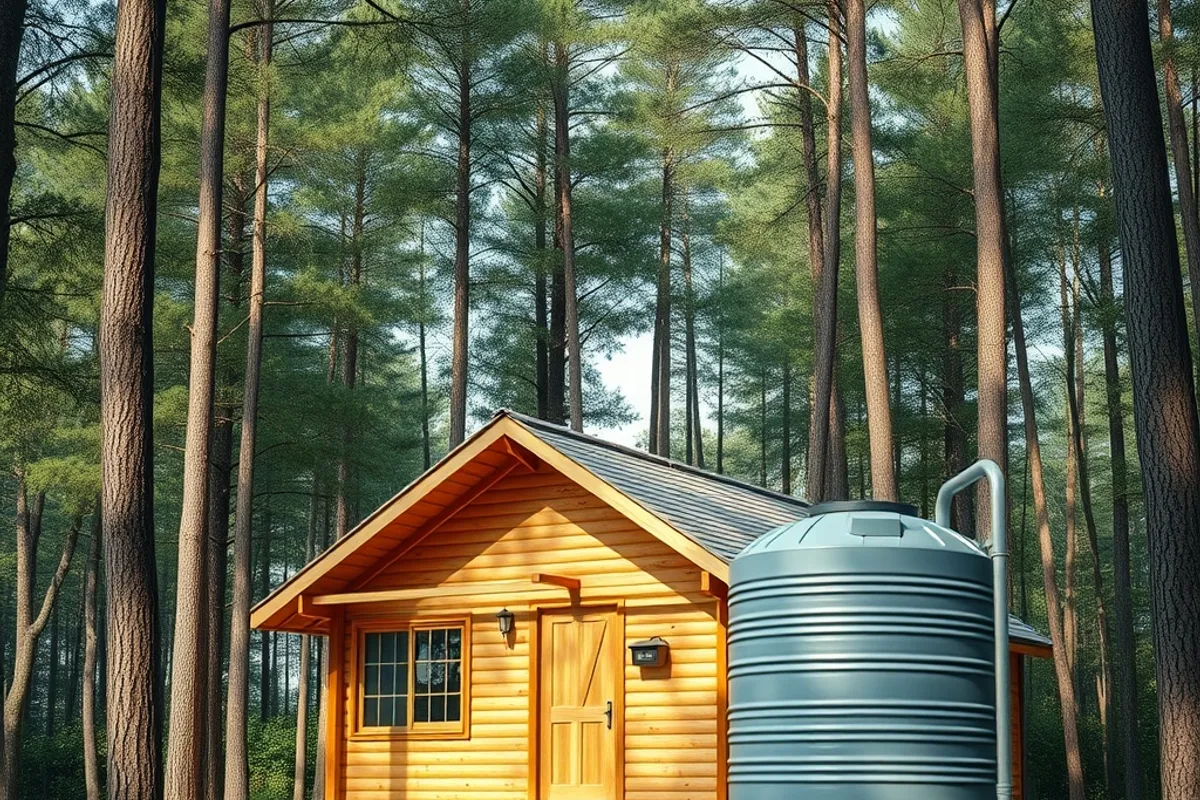
1. The family-run guesthouse
Best for travellers who want to spend directly with local people. A family guesthouse usually keeps more money in the community than a chain, and the owner can tell you which tours are responsible. Ask about water, waste and food sources, and accept that simplicity is part of the value.
2. The solar-powered eco-lodge
Best for off-grid stays where the power system is honest about its limits. A good lodge will tell you when the generator runs and why. Check whether hot water is solar, gas or electric, and whether the room has a fan or air conditioning. A solar system that promises unlimited air conditioning is not being straight with you.
3. The farm stay
Best for food-led travel and families. A working farm teaches where a meal comes from and often reuses water and waste in practical ways. Ask whether the farm is the main business or a backdrop, and whether meals use what is grown on site.
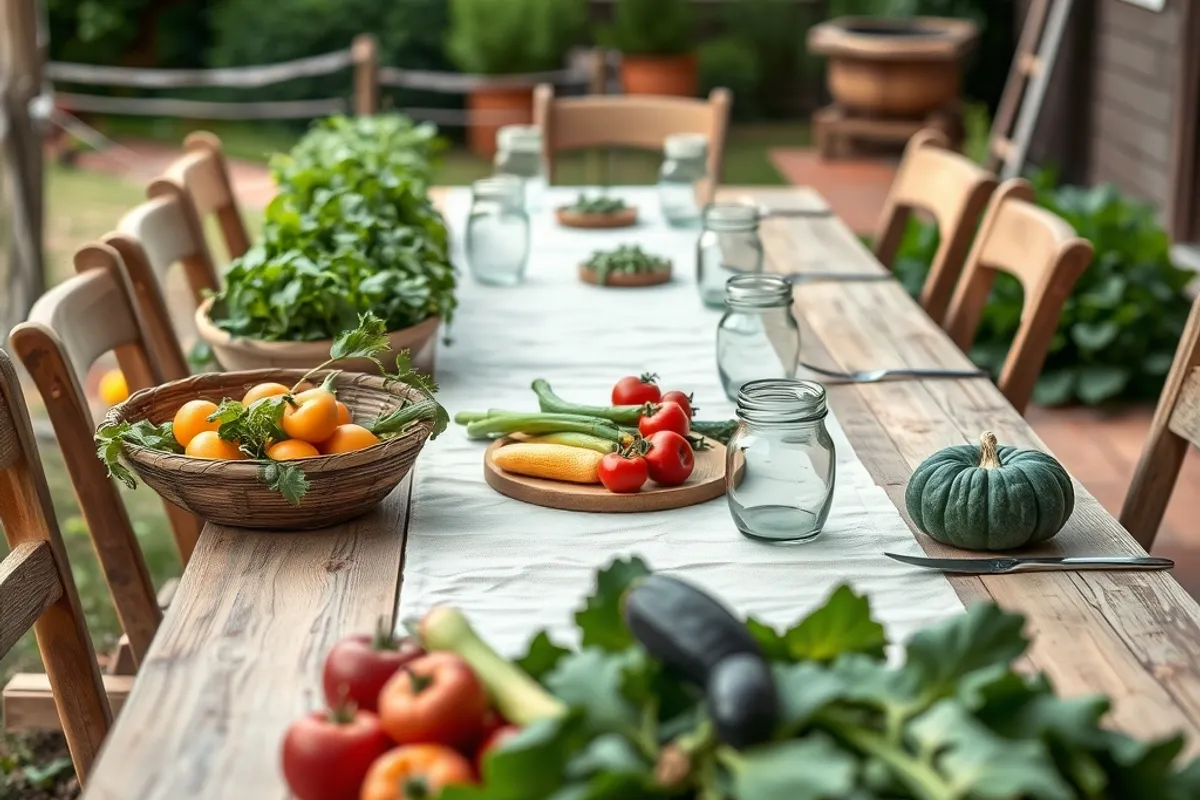
4. The community-owned lodge
Best for travellers who want the money to stay local at scale. Community lodges are owned by a village or a cooperative, with profits shared. Ask how decisions are made, how many people from the community are employed and whether the lodge supports a local fund. Governance is the difference between a real community project and a marketing story.
5. The refill and repair hostel
Best for budget travellers who want low-impact basics done well. Look for refill stations, separated waste, a repair corner for gear and a kitchen that reduces food waste. These are unglamorous systems, and they are exactly what a good hostel should have.
6. The restored heritage house
Best for travellers who want character without new construction. Reusing an old building avoids the emissions and waste of a new build, provided the restoration was done properly. Ask about insulation, heating and water use, and whether the work used local trades.
Sustainability is a system, not a style. Ask how the place works when no one is taking photographs.
Daniel Moss
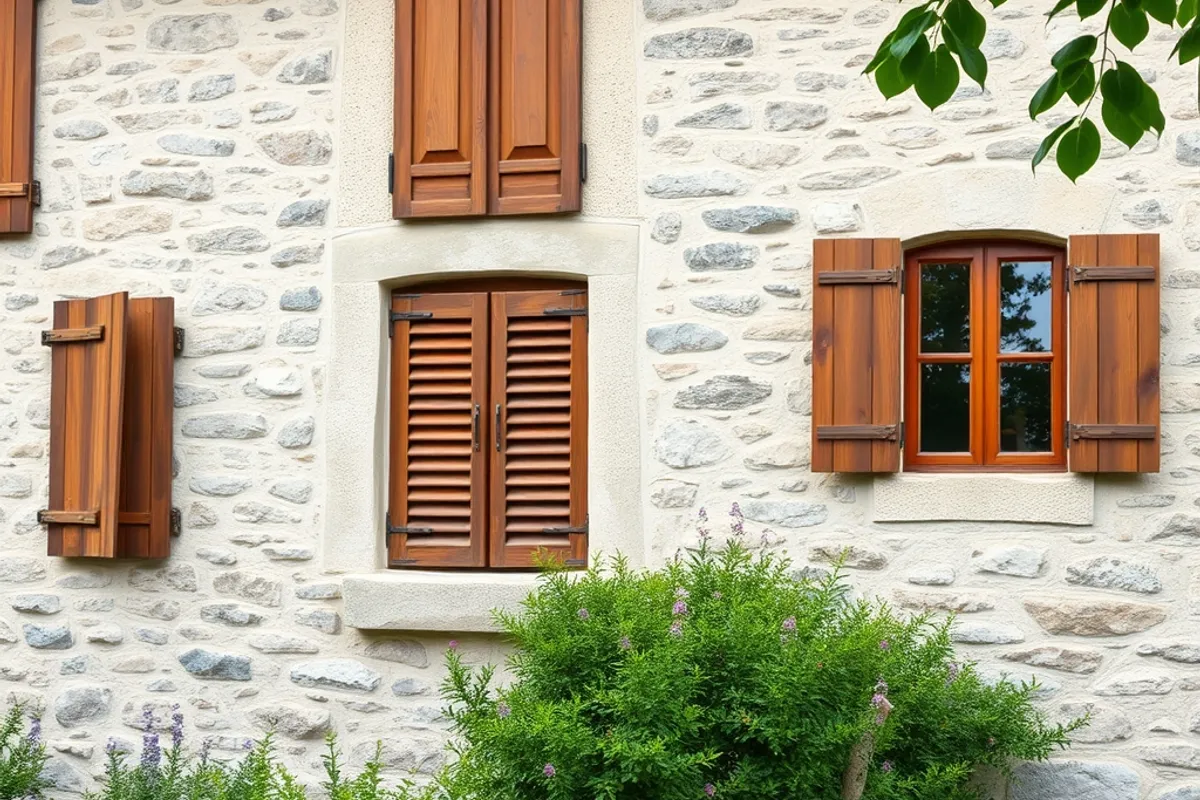
7. The small dive or adventure operator with limits
Best for travellers whose main activity has an impact. A responsible operator caps group size, avoids sensitive areas and cancels when conditions are wrong. Ask how many guests per guide, whether wildlife is baited or handled and what happens to rubbish on the trip. The answers matter more than the logo.
8. The city hotel that cuts what is not needed
Best for urban trips where location matters. Look for a hotel with a real water and energy policy, no unnecessary single-use plastics, local staff and a public sustainability report. A city hotel cannot be off-grid, but it can be honest and efficient. Ask what changed in the last year, not what is planned.
Questions to ask before booking
- Where does the water come from, and is it metered or limited?
- How is waste separated, and where does it leave the property?
- What is solar, what is gas and what is diesel?
- How many staff live in the community, and are they employed year-round?
- Which local suppliers and guides does the stay use?
Key facts
- Family-run and community-owned stays keep more value local.
- Ask about water, waste, energy and year-round staff.
- A solar lodge should be honest about generator use.
- Reusing old buildings is often greener than new builds.
- Small-group operators with limits are usually better.
Final word
The best sustainable stay is the one that can answer your questions without a brochure. Choose places that measure, explain and stay accountable, and your money will do more than buy a night's sleep.