
Island Escape Planning Guide 2026: 10 Steps to a Stress-Free Trip
An island trip fails on the boring details, not the beach. Ten steps, done in the right order, turn a hopeful booking into a calm week.
An island escape looks simple on a booking screen: a small hotel, a beach and a boat. The trip only stays simple if the planning is done in the right order. Ferries sell out, tides decide when you can reach a cove, and the last transfer of the day leaves earlier than you expect.
This guide is the sequence we use when planning an island week in 2026. It starts with the season and ends with the bag by the door, and it names the costs that first-time travellers usually discover too late.

1. Choose the season before the island
Every island has a version of itself that visitors never see in the brochure. High season brings reliable transport, open restaurants and higher prices. Shoulder season brings calmer weather in some regions and cancelled boats in others. Before you compare hotels, check the wind, rain and ferry patterns for the month you can travel.
For tropical islands, the dry season is not automatically the best value; it is simply the most predictable. For temperate islands, late spring and early autumn often give the best balance of light, temperature and space on the beach. Decide which trade-off you want, then shortlist islands that suit it.
2. Match the island to the kind of week you want
A small island with one village and no nightlife is perfect for rest and difficult for a family that needs options on a rainy day. A larger island with a rental car gives variety but can feel like a coastal suburb. Be honest about how much you want to move.
Think in terms of one base rather than three. Packing and unpacking for a two-night stay costs half a day each time, and island roads are slower than the map suggests. Two bases in a week is usually the maximum before the trip turns into a transfer schedule.
3. Book the ferry, then the hotel
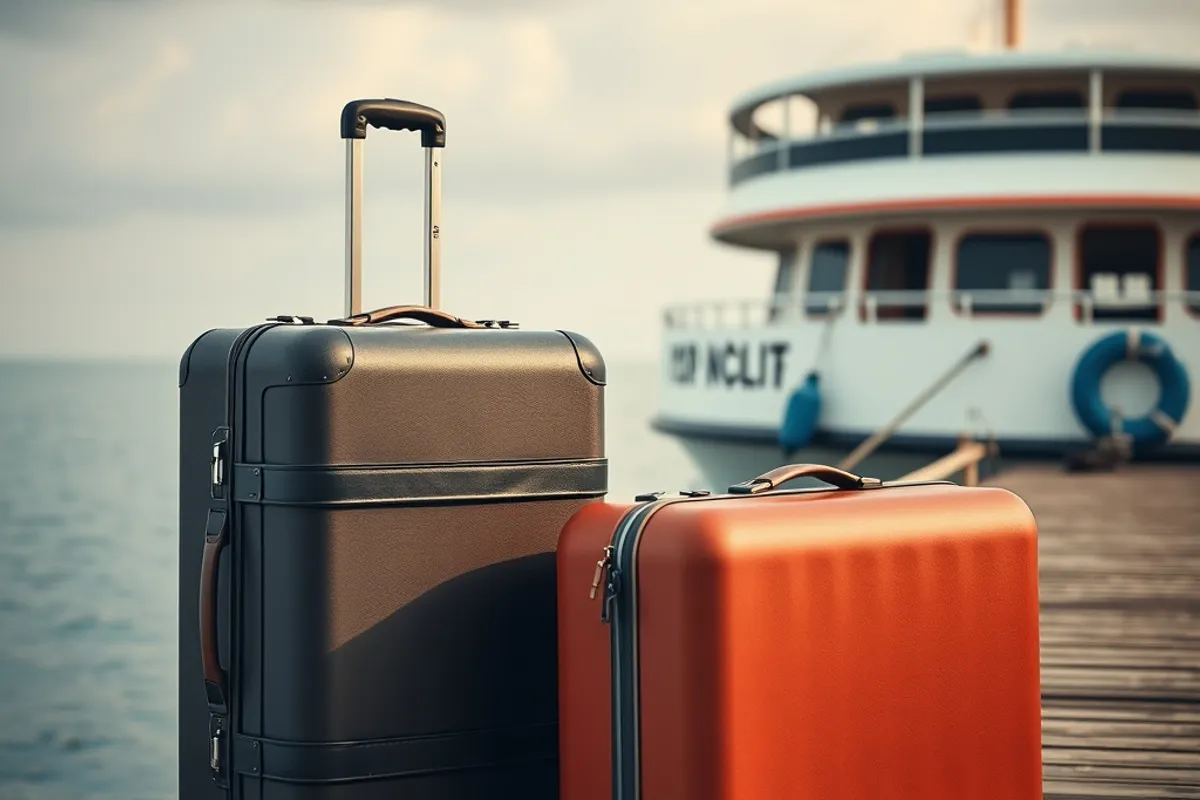
The boat is the constraint. Confirm the sailing times, the baggage rules and whether the route runs daily or only a few times a week. Some services stop entirely in bad weather, and the next sailing may be two days later. Only after the boat is fixed should you choose accommodation that matches its arrival time.
If the island has an airport, compare the total journey, not the flight time. A short flight plus a long transfer can be more tiring and more expensive than a longer ferry from the mainland. Add the cost of taxis and port fees when you compare.
4. Read the tide table
Tides change the island itself. A beach that is wide at noon can vanish by late afternoon, and a sandbar path may only be walkable for a few hours. If you plan to kayak, snorkel or reach a remote cove, write the tide times next to your daily plan. Local operators will know the pattern, but they expect you to ask.
Tide tables are not a safety guarantee. Currents and swell can make a calm-looking channel dangerous, and a guided trip is usually worth the money on an unfamiliar coast. If a local says the water is not right today, believe them.
5. Choose a base you can walk from
On many islands, a scooter or a rental car is useful but not essential. A base within walking distance of a beach, a shop and a few places to eat removes a surprising amount of daily friction. It also makes the trip less dependent on the one taxi that may or may not answer the phone.
Check the road surface, the lighting and the distance to the nearest restaurant before you book a cheap room with a view. A beautiful view on a steep unlit lane is a different experience after dinner.
On an island, the schedule is weather, boats and tides. Everything else can wait.
Scottie Berndt
6. Budget for the transfers
The headline hotel price rarely includes the full journey. Add the mainland bus, the port taxi, the ferry, the island transfer and any excess baggage. On small islands, a short boat taxi can cost more than a night in a guesthouse.
Keep some cash for the small operators who do not take cards, and check whether the local ATM actually works before you rely on it. A card with no foreign transaction fee is useful, but not every beach bar has a machine.
7. Pack for salt, sun and a change of plan
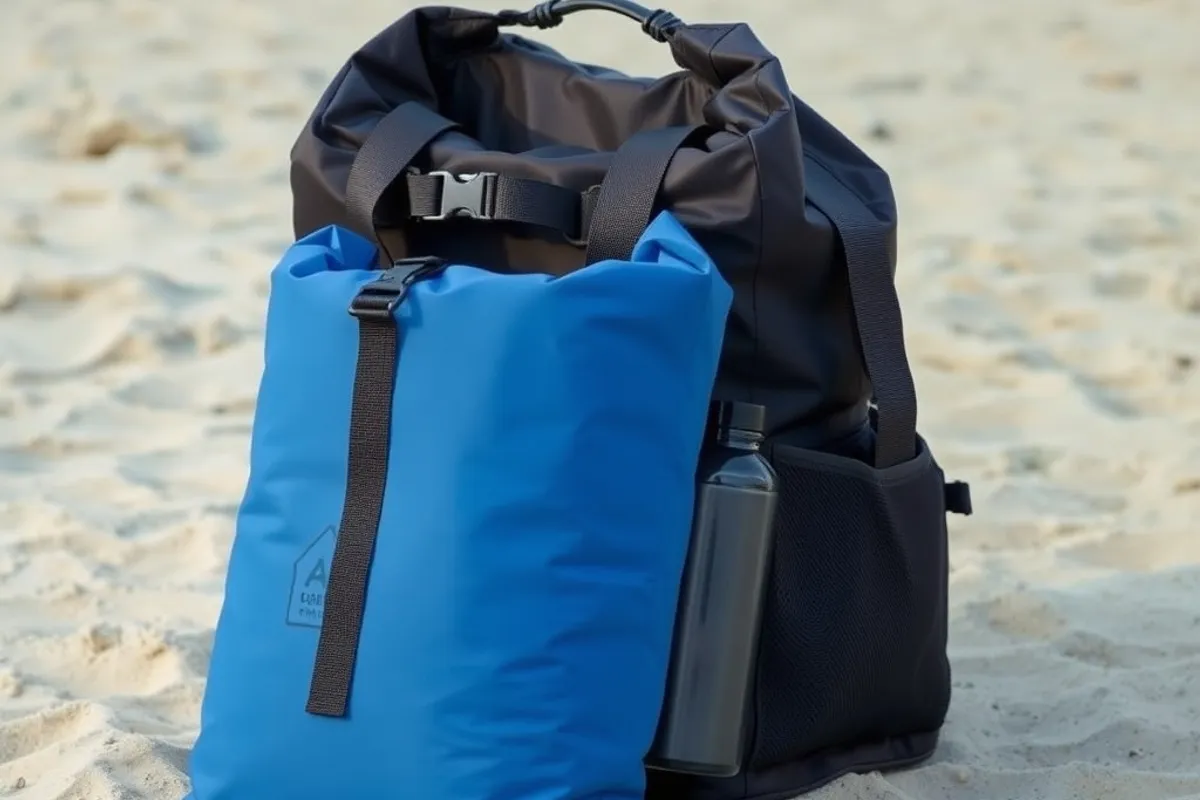
Island packing is about layers and drying time, not volume. Quick-dry clothing, a light rain shell, reef-safe sunscreen, a hat and footwear that can get wet cover most days. Bring a reusable water bottle and a small dry bag for the boat.
- Quick-dry clothing and one warm layer for the evening.
- Footwear for wet landings and rough tracks.
- Reef-safe sunscreen, hat and sunglasses.
- Dry bag, power bank and a printed ferry confirmation.
- Cash in small notes and a card as backup.
8. Plan around one weather day
Island weather can cancel the best-laid plan. Keep one flexible day for the boat trip or the long walk, and have a low-effort alternative ready: a village, a museum, a long lunch. This is not pessimism; it is how you avoid spending the rainy day frustrated in a room.

9. Ask about the island, not just the hotel
Before booking, ask the accommodation three practical questions: how do guests reach the property from the ferry, what happens if the boat is cancelled, and where do locals eat. The answers tell you more about the stay than the photo of the pool. Our guide to the best island escapes for 2026 shows how the same questions change the shortlist.
10. Leave the itinerary a little empty
The best island days are often the unplanned ones: a longer swim, a conversation at the harbour, a walk to the next bay. Build in slack. A trip that is fully booked becomes a job with a sea view.
Key facts
- Fix the ferry first, then choose the hotel around it.
- Check tides and weather before planning water activities.
- One or two bases per week is usually enough.
- Budget transfers and baggage, not just the room rate.
- Keep one flexible day and some spare cash.
Final word
An island escape rewards preparation that is not obvious on Instagram. Choose the season, respect the boat, read the tide and leave room for nothing in particular. The rest of the trip tends to look after itself.