
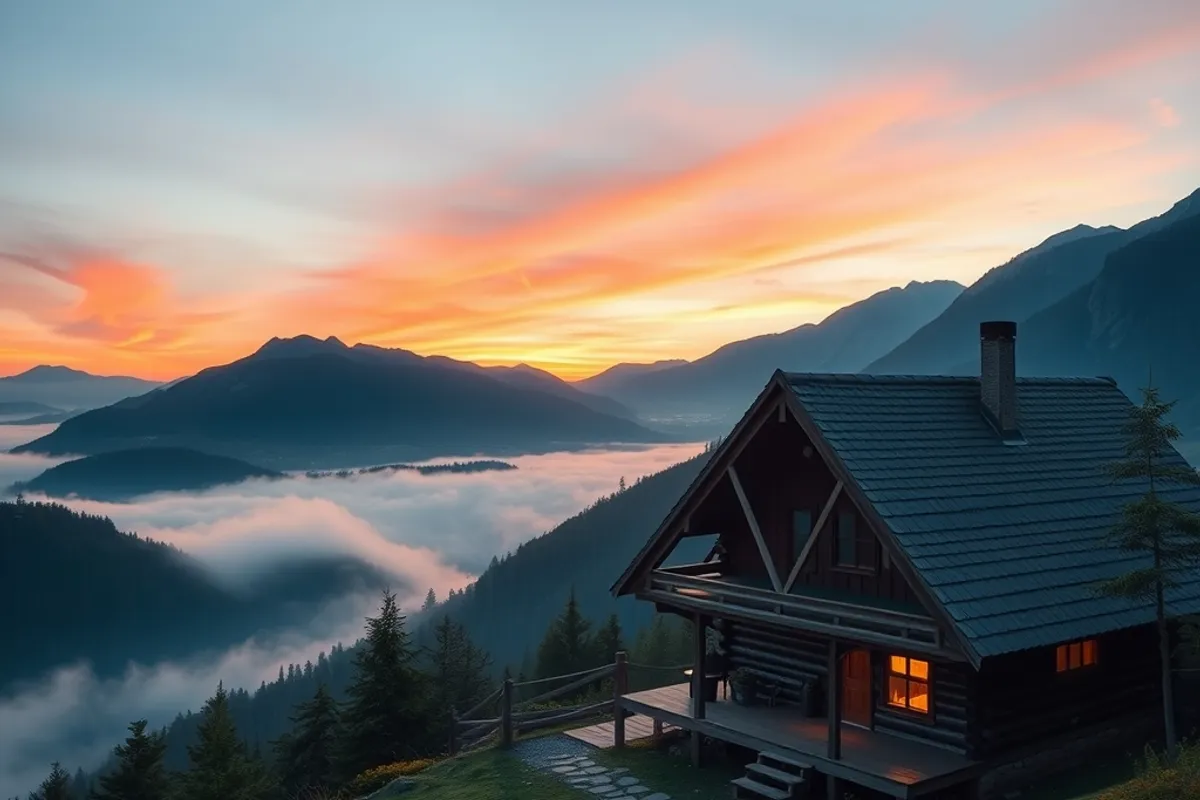
Choosing a Mountain Retreat in 2026: Cabins, Lodges and Costs
A mountain retreat is mostly a logistics decision. Pick the wrong access road or the wrong altitude and the quiet week becomes a long drive.
A mountain retreat is sold as a feeling: wood smoke, a quiet deck and a view. The feeling is real, but it depends on a set of decisions that are much less romantic. Altitude, access, food and heating decide whether the week is restful or a series of small problems.
This guide walks through those decisions in the order that matters for a 2026 trip, so you can compare a cabin, a lodge and a small guesthouse on the same terms.
Start with altitude, not decor
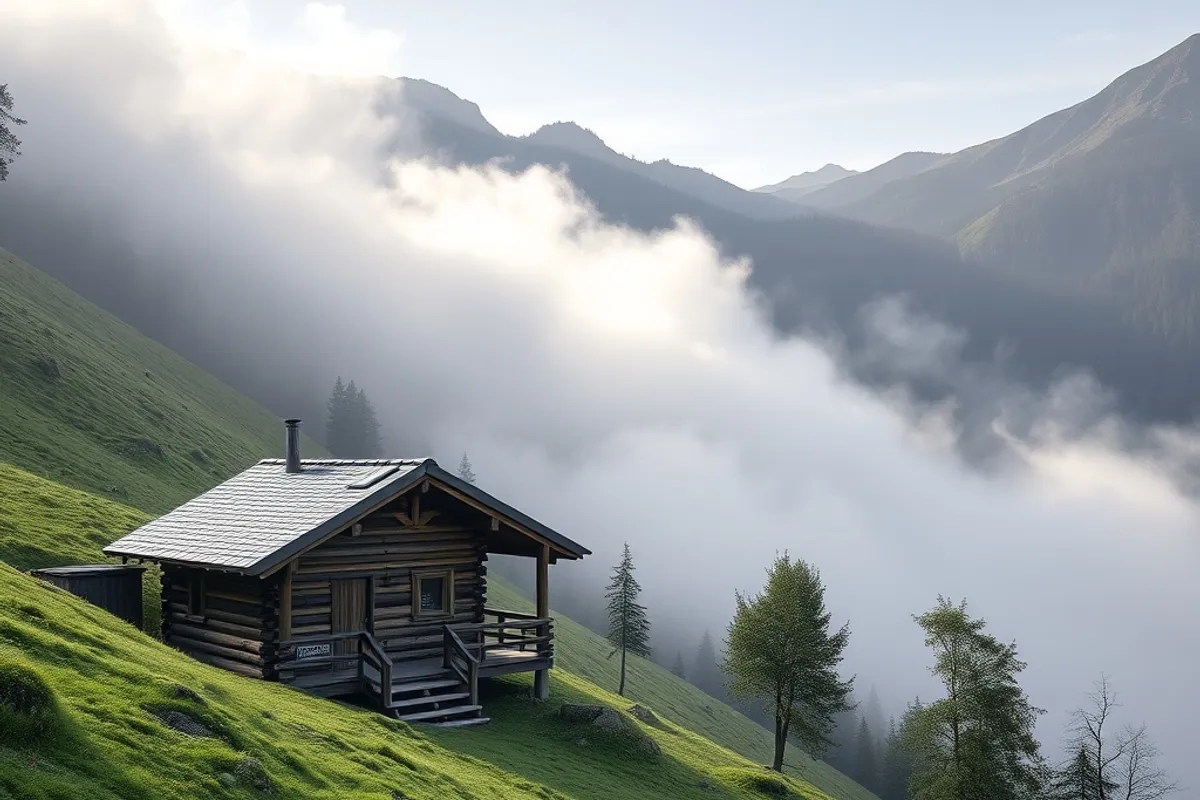
Altitude changes the trip more than any interior style. A retreat at 1,500 metres may be mild and green, while one at 2,500 metres can be cold at night even in summer. If you are travelling with children or older guests, a lower base with access to higher trails is usually kinder than sleeping at the top.
Ask the host for the altitude, the typical night temperature for your month and whether the road is paved all the way. These three answers remove most of the surprises. Our mountain retreat packing list assumes you will face at least one cold, wet day.
Cabin, lodge or guesthouse
A cabin gives privacy and a kitchen but usually puts you further from services. A lodge gives meals, a fire and other guests but less control over your day. A village guesthouse is the cheapest and most local option, with the trade-off of thinner walls and less space.
Match the choice to your reason for going. If the point is to switch off and cook slowly, a cabin with a good shop nearby is ideal. If you want long walks and no cooking, a lodge with packed lunches saves time and argument.
Check the access road twice
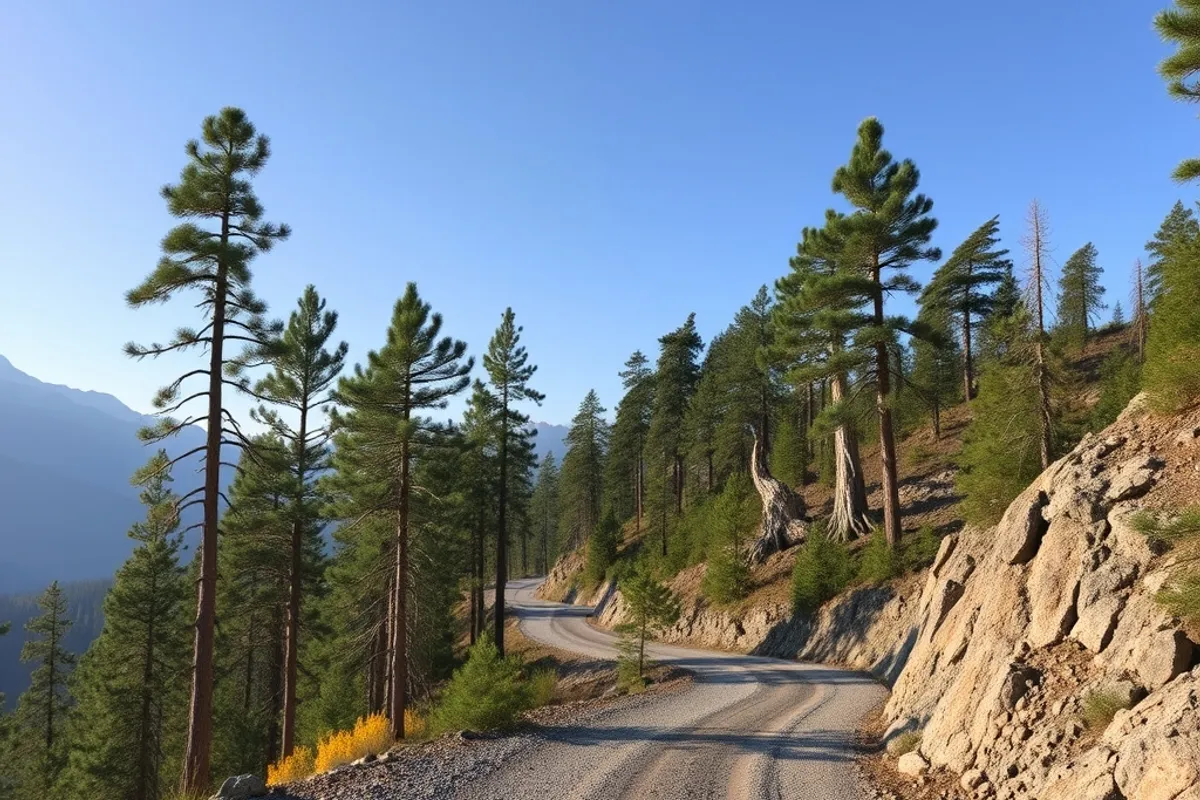
Mountain roads are not all equal. A steep gravel track that is fine in dry weather can be impassable after rain, and a low car may not clear a rutted final kilometre. Ask for a photo of the last section of road and confirm whether the host recommends a four-wheel drive.
Also ask where you park and how far the luggage has to be carried. A retreat that is 200 metres from the car park is charming in the listing and less charming with a cool box and a suitcase in the rain.
Plan food before you arrive
Remote retreats often have no shop within a reasonable drive. Decide whether you will cook, eat at the property or drive out. If you are cooking, check the kitchen equipment: a full oven, a fridge with freezer space and enough pans for the number of guests. A tiny kitchenette can turn a simple dinner into a puzzle.
Bring the staples that are easy to forget: oil, salt, coffee, kitchen roll and a sharp knife if the listing looks basic. In areas with limited water, choose meals that do not need a lot of washing up.
Ask how the place is heated
A wood stove is wonderful until the wood is damp or the host expects you to split it. Confirm the heating type, whether fuel is included and whether there is a backup. Electric heaters can be expensive or limited by a solar system, and a cold cabin is not a minor detail.
Check hot water too. A small tank may only cover two short showers, which matters more in a group. If the listing says "eco", ask what that means in practice for heating and water.
A mountain retreat is a logistics decision wearing a wool blanket.
Maya Ellis
Look at the week, not the weekend
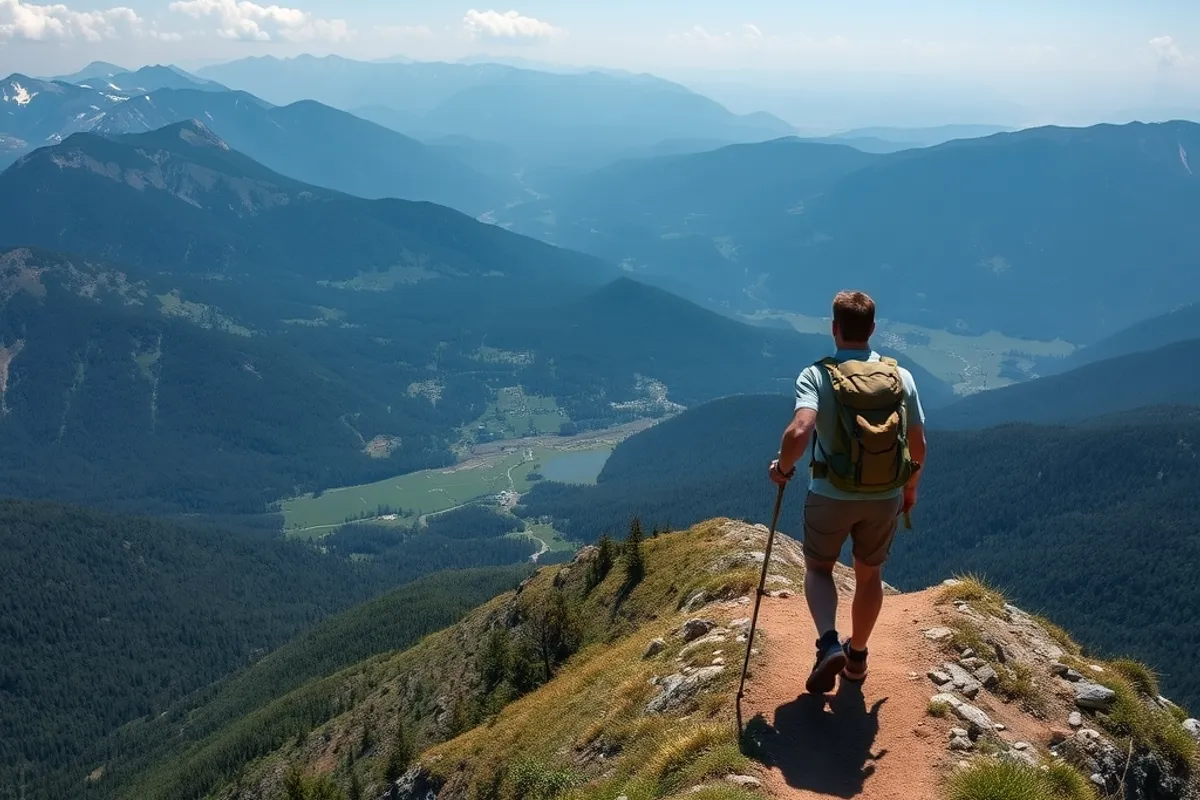
Two nights in the mountains is a scenic break. A week is a different rhythm. Plan one or two active days, one rest day and a flexible day for weather. Trying to hike every day is the fastest way to make a beautiful place feel like a schedule.
Ask about trail access from the door and the difficulty of the nearest walks. A host who knows the trails is worth more than a hot tub with a weak heater.
Understand the real cost
The nightly rate is only part of the bill. Add fuel for the drive, a rental car if you need one, food, firewood, park fees and any guided activity. Remote stays often cost more than they appear because every meal and every trip is a small expedition.
Compare a lodge with meals included against a cabin where you cook. The lodge may look expensive until you add the shopping, fuel and time. The cabin may still win if you enjoy the cooking and want privacy.
Check connectivity and the plan B
If you need to work, confirm the internet speed and whether it is shared. If you do not need it, treat the lack of signal as a feature, but tell someone at home where you will be. Mountain weather can delay the drive out, so keep a buffer day before a flight.
Ask what happens in a power cut or a closed road. A good host has a simple answer; a vague one is a warning. For a lower-impact stay, see our guide to sustainable stays that get it right.
Key facts
- Altitude and road access matter more than interior style.
- Confirm heating, hot water and firewood before booking.
- Plan food and kitchen equipment for remote stays.
- Add fuel, park fees and meals to the nightly rate.
- Keep one rest day and one weather day.
Final word
The right mountain retreat is the one whose practical details match your week. Ask about the road, the heat, the shop and the trail. If those answers are clear, the view will take care of the rest.