Best Island Escapes in 2026: 8 Picks for Every Budget
An island escape does not need a big budget. It needs the right island for the season, the right base and a realistic idea of what a week costs.
The best island escape is not the most famous one. It is the island that matches your tolerance for boats, your budget for a week and the kind of weather you can enjoy even when it changes. This list is built around those trade-offs rather than a ranking of beaches.
We have grouped eight kinds of island escape for 2026, from barefoot beach towns to quiet volcanic hideaways. Each entry explains who it suits, when to go and where the costs usually hide. For the practical sequence, see our island escape planning guide.
1. The barefoot beach town
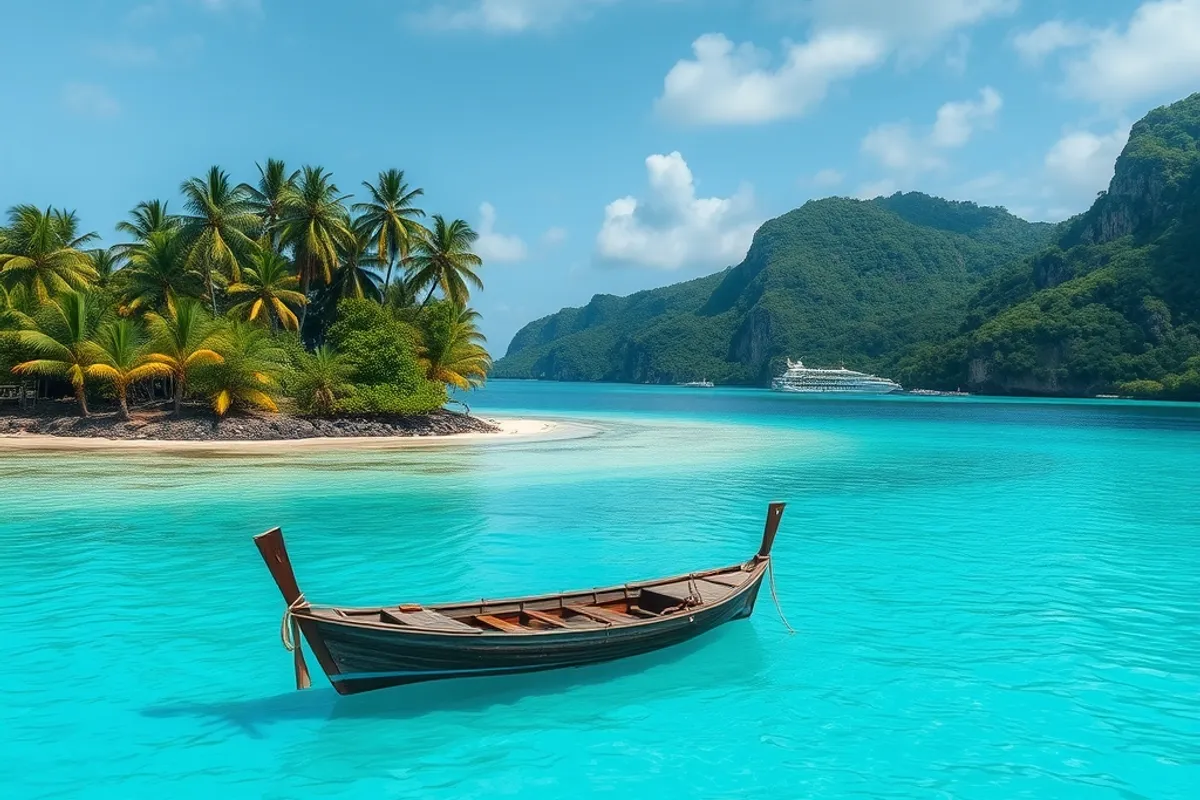
Best for travellers who want to walk everywhere and do very little. Look for a small town with a working harbour, a handful of guesthouses and a beach within ten minutes on foot. The trade-off is limited choice when it rains and fewer late-night options.
Go in shoulder season if the region allows it. Prices drop, the beach is quieter and the local economy still has enough open to be comfortable. Avoid the week of a major local festival unless you have booked well ahead.
2. The quiet volcanic island
Best for walkers and slow travellers who like dramatic scenery. Volcanic islands often have black-sand beaches, hot springs and trails that reward an early start. Transport can be thin, so choose a base near the main village and confirm how you will reach the trailheads.
Check whether the island has reliable ferries or only a small airport. Weather cancellations are more disruptive when there are fewer alternatives, so build a buffer day at the end of the trip.
3. The family-friendly island
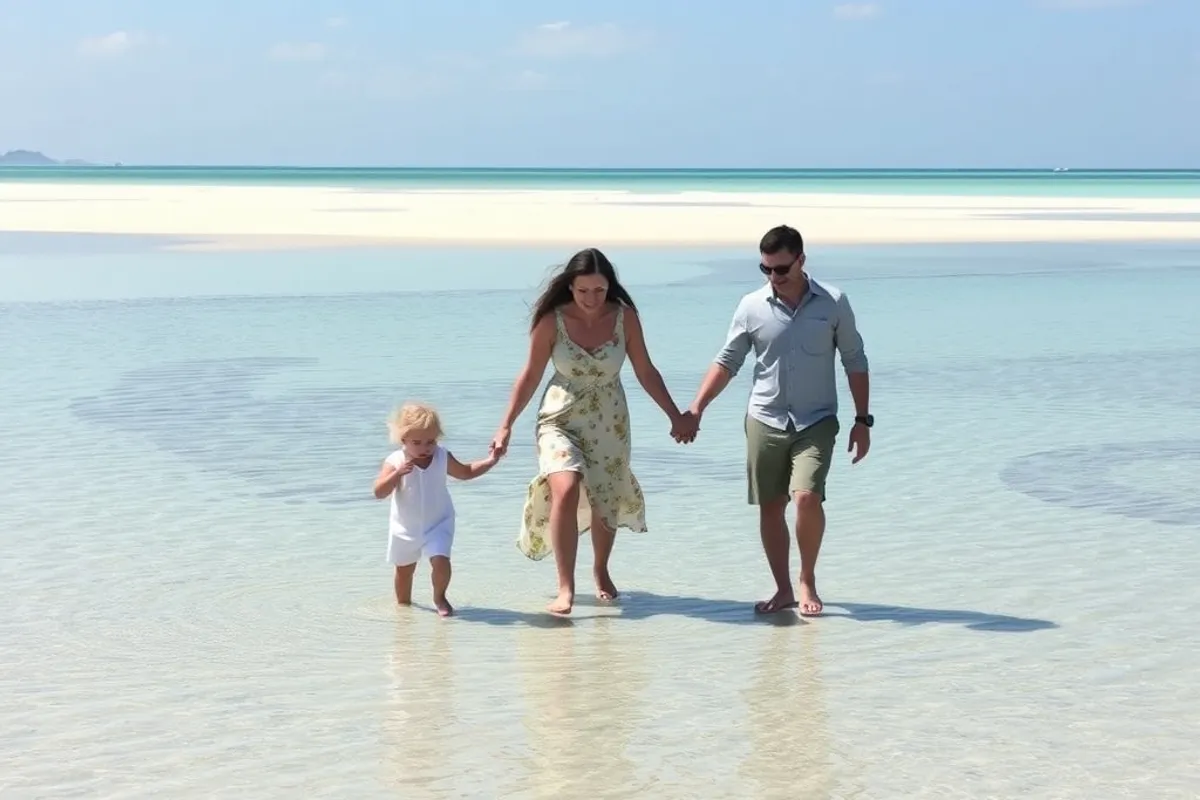
Best for parents who need shallow water, short transfers and something to do on a cloudy afternoon. A larger island with a calm lagoon, a town and a rental car usually works better than a tiny romantic islet. The cost is higher, but so is the flexibility.
Look for accommodation with a kitchen or a nearby shop. Eating every meal in a resort is the fastest way to blow a family budget, and children often prefer a simple picnic on the beach anyway.
4. The off-grid cabin island
Best for couples or solo travellers who want silence and are comfortable with limited power and water. These stays are often small, solar-powered and a long way from a supermarket. The reward is dark skies and empty coves; the cost is planning every meal and charging every device.
Ask exactly what is included before you book: drinking water, cooking gas, internet, and how the rubbish leaves the island. A romantic listing can hide a very basic reality.
5. The culture-first island
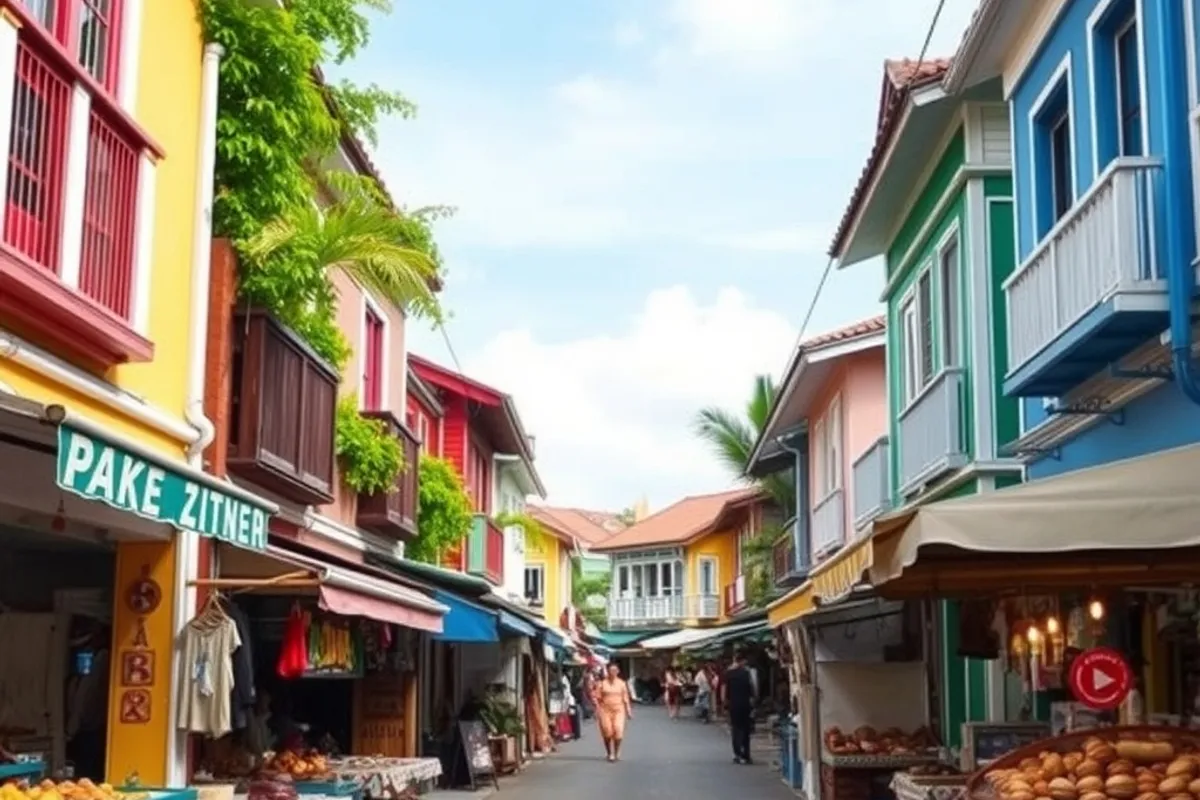
Best for travellers who want markets, music and food as much as beach time. Islands with a year-round population and a real town give you something to do when the weather turns. Stay in the town rather than a walled resort and eat where the queue is local.
Be careful not to treat the island as a theme park. Ask before photographing people, buy from small shops and respect the pace of a place that is not built around tourism.
6. The long-weekend island
Best for a short break from a nearby city. The rule is simple: total travel time should be no more than a third of the time you have. A two-hour ferry each way can work for four nights; a full day of flights does not work for two.
Choose a base close to the port and resist the urge to tour the whole island. A short trip is better spent in one place than in a car.
Pick the island for the week you can take, not the week you wish you had.
Owen Fields
7. The diving and snorkelling island
Best for travellers whose main activity is underwater. Look for a base near the reef, a reputable dive shop and a shore entry you can use without a boat. The cost adds up quickly if every dive needs a crossing, so compare packages that include equipment and transfers.
Check the season for visibility and currents, and never assume a calm surface means an easy dive. Local guidance is part of the budget, not an optional extra.
8. The shoulder-season hideaway
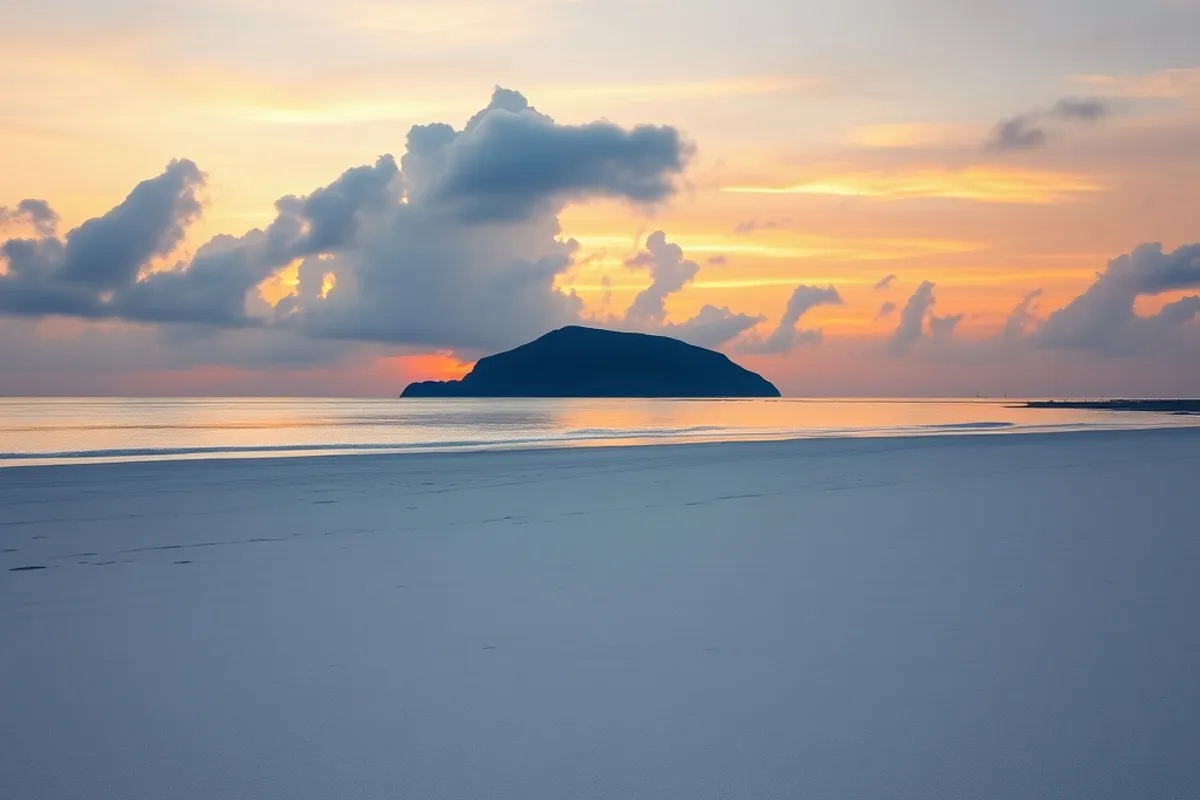
Best for travellers who value space over certainty. Many islands are at their most honest just outside peak season: the light is softer, the harbour is busier with real work and the prices are kinder. The risk is that a restaurant or boat may be closed, so confirm the essentials before you commit.
This is also the best time to ask about local guides and small family stays. They have time to talk, and the money goes further into the community. For a lower-impact approach, read our eco tourism guide.
How to choose between them
Write down three things you will not compromise on, such as a short transfer, a kitchen or reliable internet. Then cross off any island that fails one of them. A shortlist of two is easier to book than a list of eight, and the final decision is usually about the boat schedule rather than the beach.
Key facts
- Match the island to your tolerance for transfers and weather.
- Beach towns suit walkers; larger islands suit families.
- Off-grid stays need a meal and power plan.
- Shoulder season trades certainty for space and value.
- Confirm ferries before booking accommodation.
Final word
There is no single best island. There is an island that fits the week you have, the budget you can spend and the kind of rest you actually need. Choose for those three things and the postcard takes care of itself.