
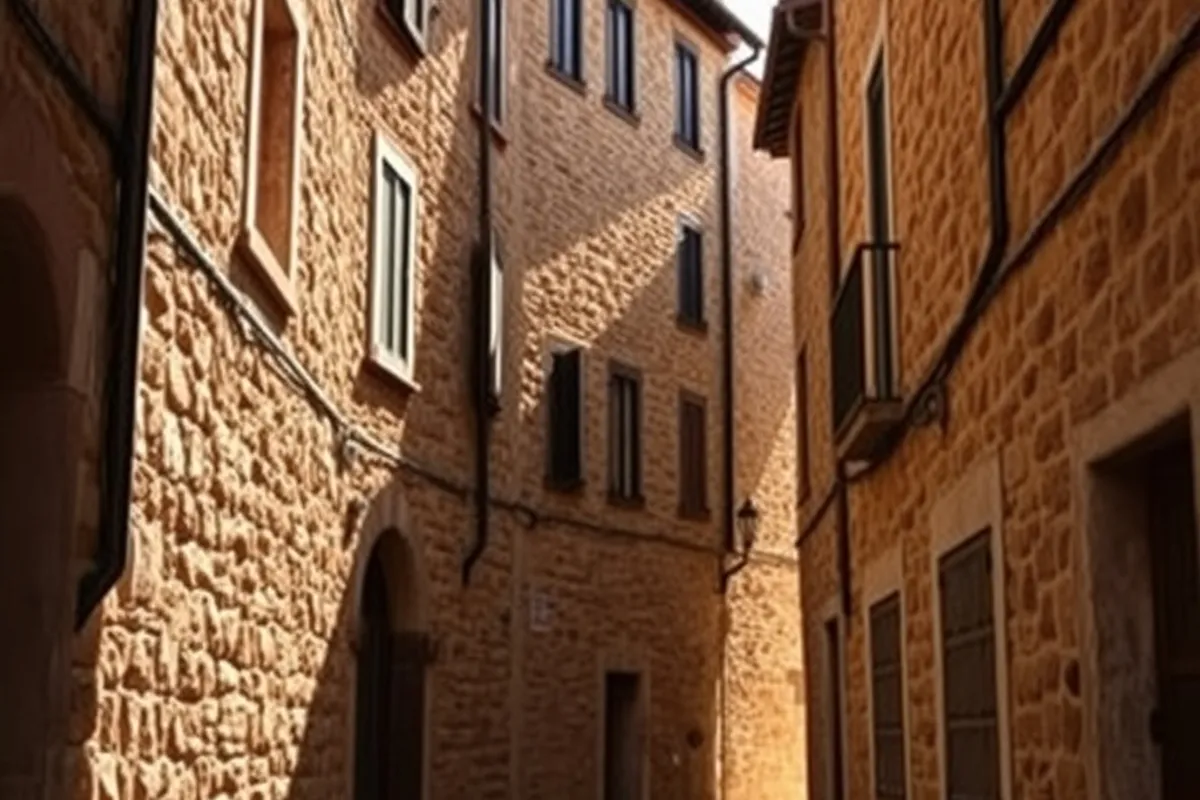
Heritage Tourism Explained: How to Travel Old Towns Responsibly
Old towns are not film sets. The travellers who get the most from them learn a few rules about time, money and where to walk.
Heritage tourism is often sold as a walk through the past. In practice, it is a visit to a place where people still live, work and pay rent. The difference matters. A town that is treated as a stage set loses the thing visitors came to see.
This guide explains how to read a historic place, spend money in a way that stays local and avoid the small behaviours that make old towns worse for the people who keep them alive.
What heritage tourism actually means
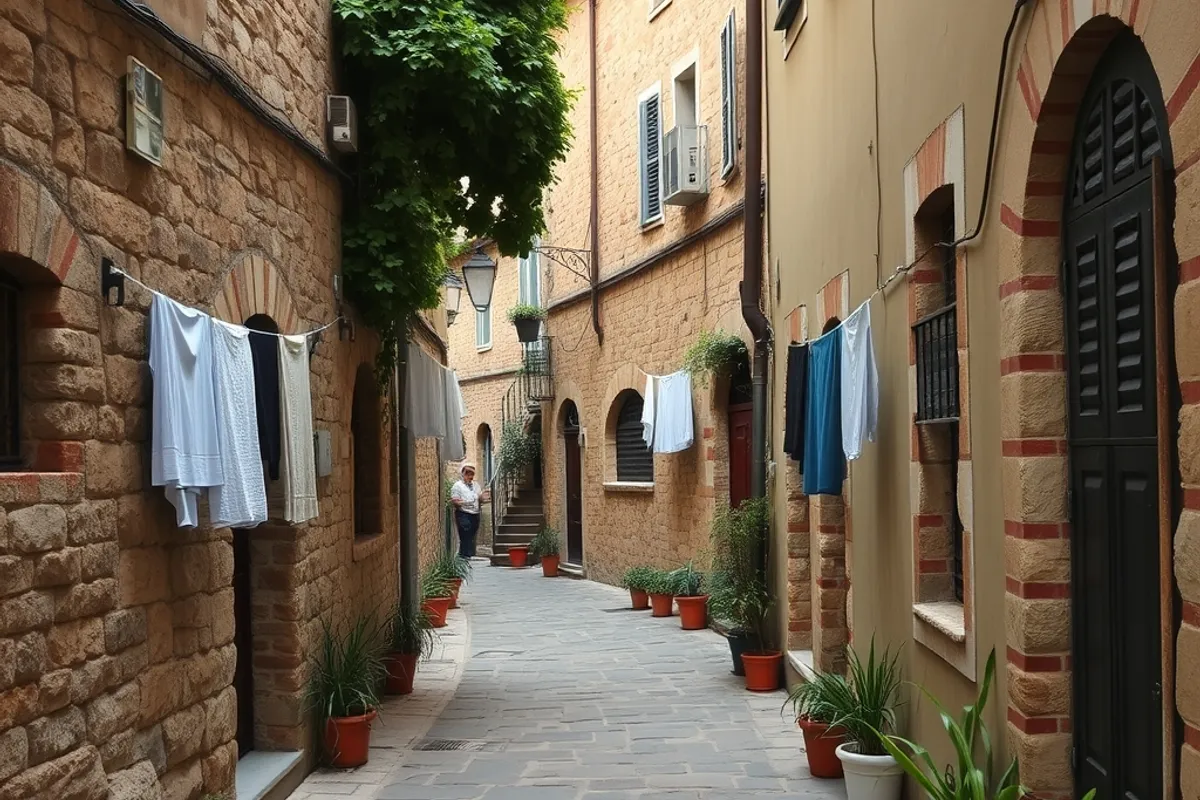
Heritage is not only monuments. It includes the way a place cooks, builds, celebrates and remembers. A market, a workshop, a language and a religious calendar can be as important as a castle. Good heritage tourism looks for those living parts, not just the ticketed ones.
That also means accepting that some things are not for visitors. A ceremony is not an attraction, and a family home is not a museum. Ask before you photograph, and accept a no without negotiating.
Visit the town, not just the site
The headline monument is usually surrounded by a town that receives very little of the tourist money. Walk two streets beyond the main square, buy lunch from a small shop and visit a local museum rather than only the famous one. The experience is often better and the money goes further.
Stay overnight if you can. Day-trippers arrive and leave in a rush, while the early morning and evening belong to residents. An overnight stay also spreads the economic benefit beyond a single entrance fee.
Time your visit against the crowds
Most historic towns have a peak window, often late morning to mid-afternoon when coaches arrive. Visit the main site at opening time or late in the day, and use the middle hours for a longer walk or a smaller museum. This is not only better for you; it reduces pressure on the narrow streets at the worst moment.
Spend where it stays
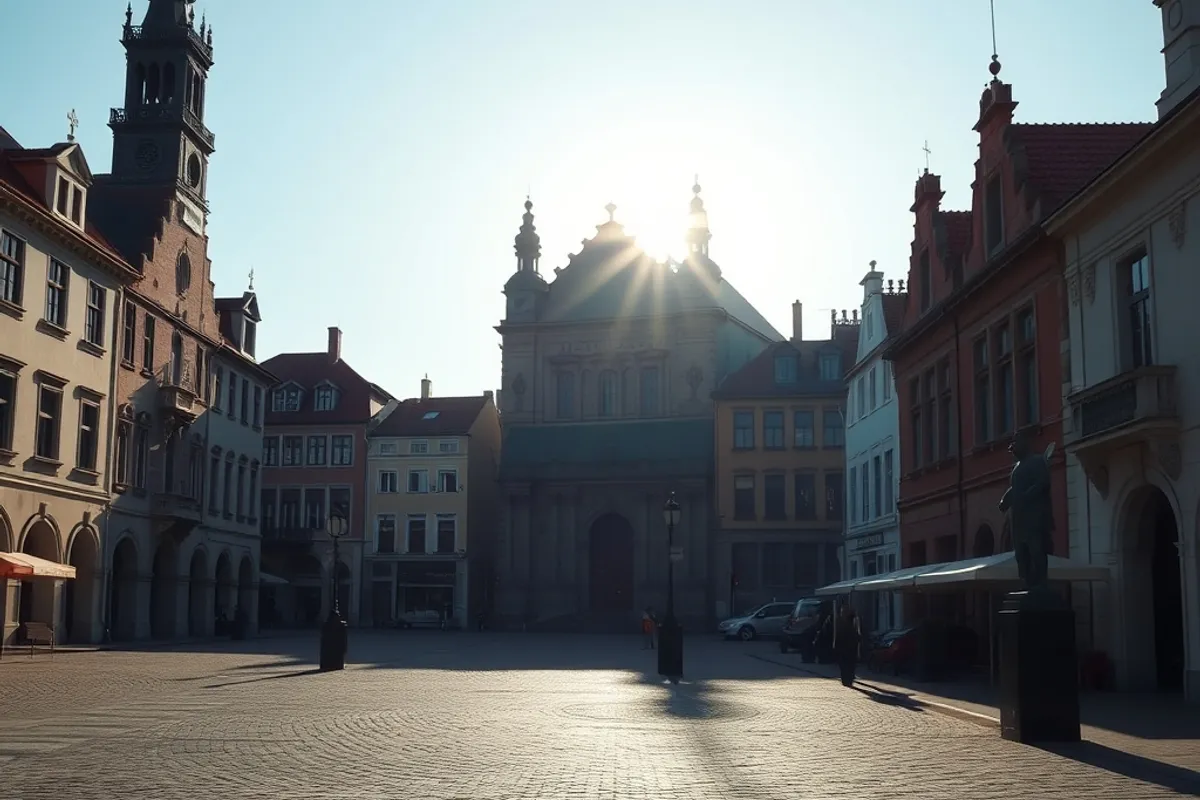
Buy from businesses that are rooted in the place: a family bakery, a local guide, a small guesthouse, a workshop that repairs rather than imports. Ask who owns the shop and where the produce comes from. A souvenir that could have been made anywhere is not a local benefit.
Pay in local currency when you can, keep small notes for small purchases and do not haggle a fair price down for sport. If a guide is good, tip directly. Our eco tourism guide covers the wider question of where travel money goes.
Respect the rules you cannot see
Dress codes, quiet hours and photography restrictions are not arbitrary. They often protect a place of worship, a neighbour's sleep or a fragile surface. Read the signs, watch what locals do and ask a guide if you are unsure. A respectful visit is usually a more interesting one.
Keep to paths in archaeological sites, do not touch walls or frescoes and do not climb on monuments for a photograph. Damage from a single hand is small; damage from a million hands is not.
A historic town is a home before it is a destination.
Theo Park
Choose a guide who lives there
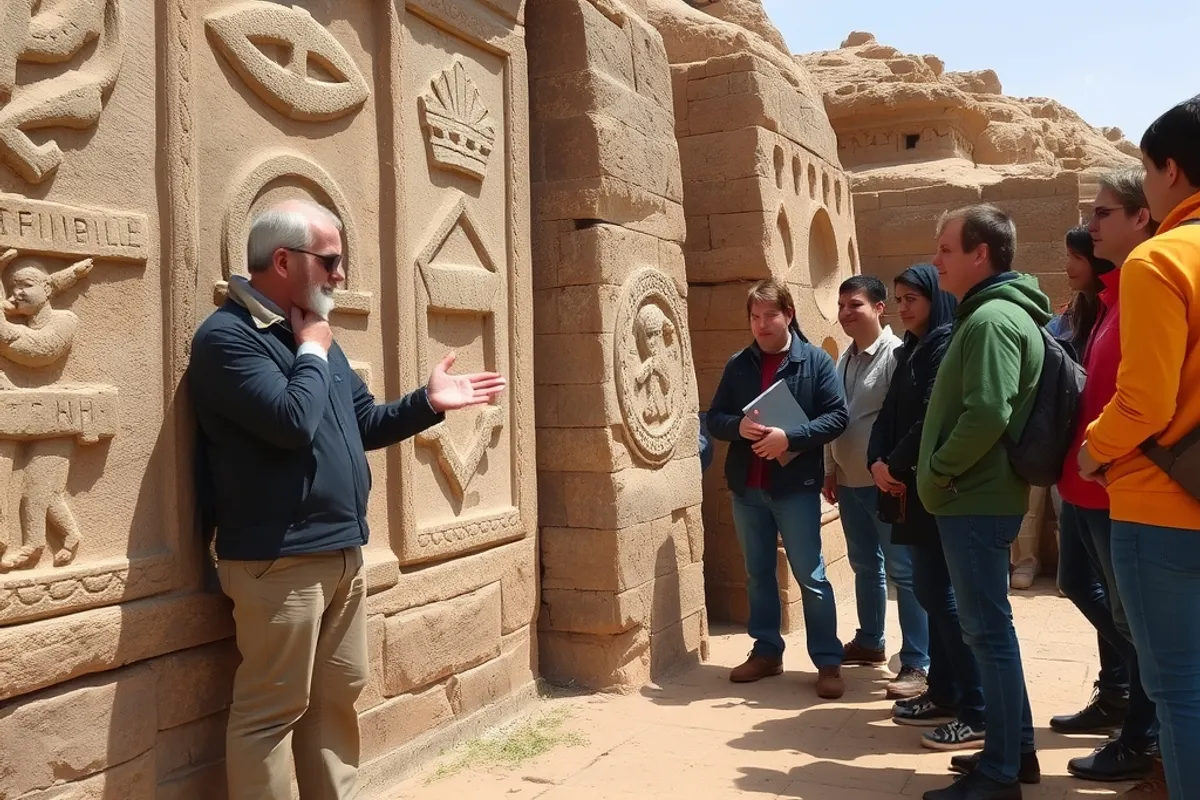
A local guide can explain the politics, the repairs and the ordinary life behind a facade. Look for guides trained or licensed in the area, and ask what their tour includes beyond the famous buildings. A good guide will also tell you where not to go.
If you prefer to walk alone, use a reputable local map or app and support the sites that charge a fair entry fee. Free tours that rely on aggressive tipping are not always the bargain they appear to be.
Watch for overtourism
If a town feels like a queue, it probably is one. Consider visiting a less famous neighbouring place, travelling outside the peak month or staying longer and doing less. This is not about being a perfect tourist; it is about not loving a place to death.
Local campaigns sometimes ask visitors to stay away from a specific street or to avoid cruise days. Respect those requests. The residents are not obliged to absorb unlimited numbers.
Leave with a better question
The point of heritage travel is not to collect a building. It is to understand why a place looks the way it does and what it needs to survive. Read one local history before you go, and talk to one person who lives there. You will notice more than any list can tell you.
For specific places worth the journey, see our guide to historic places in 2026.
Key facts
- Heritage includes living culture, not only monuments.
- Stay overnight and spend beyond the main square.
- Visit headline sites at opening or late in the day.
- Follow dress, photo and quiet-hour rules.
- Choose local guides and local businesses.
Final word
Old towns are kept alive by ordinary decisions: where you sleep, what you buy and how you behave. Travel slowly, ask first and leave the place with more respect than when you found it.