
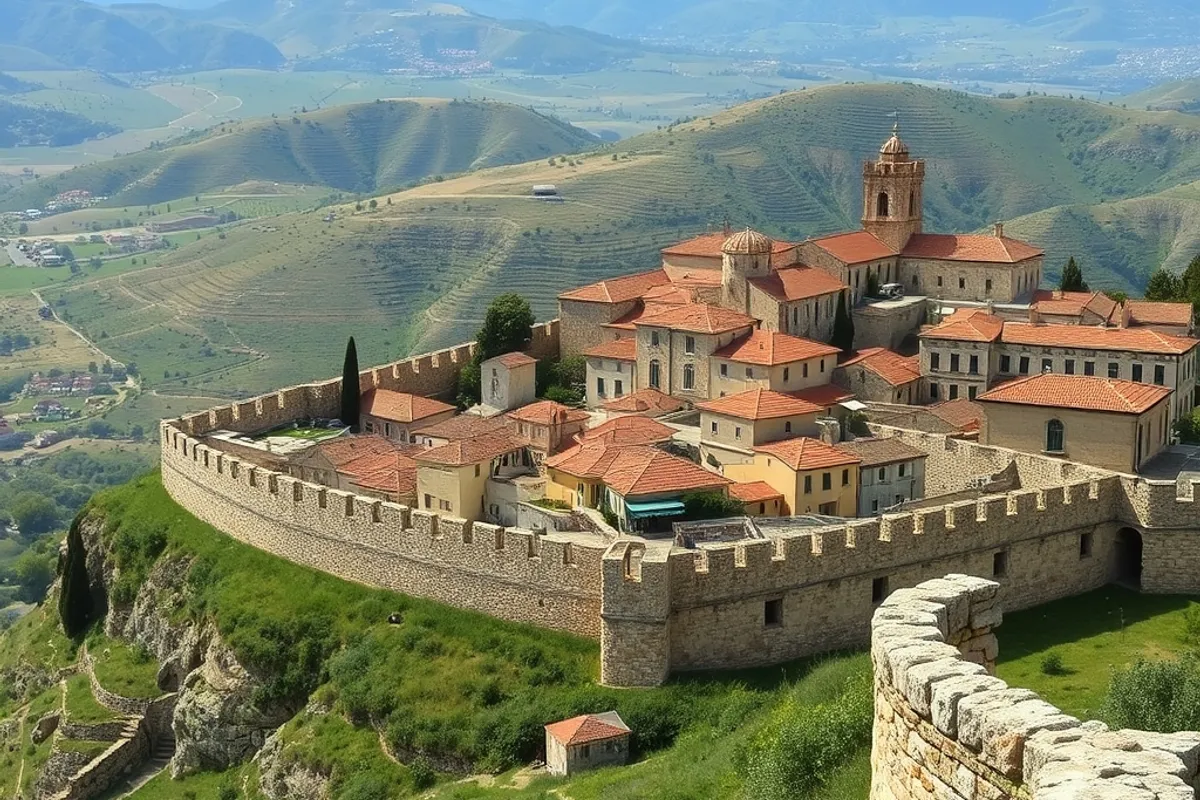
Heritage Tourism in 2026: 8 Historic Places Worth the Journey
The best heritage sites are still used by the people who live there. These eight reward a slower visit and a little preparation.
The most memorable heritage sites are not always the most photographed. The ones worth a journey in 2026 are places where history is still in use: a market under medieval arches, a repaired stone village, a working monastery garden.
This list covers eight kinds of historic place, chosen for living heritage rather than a staged backdrop. For the etiquette and planning behind these visits, read our heritage tourism guide.
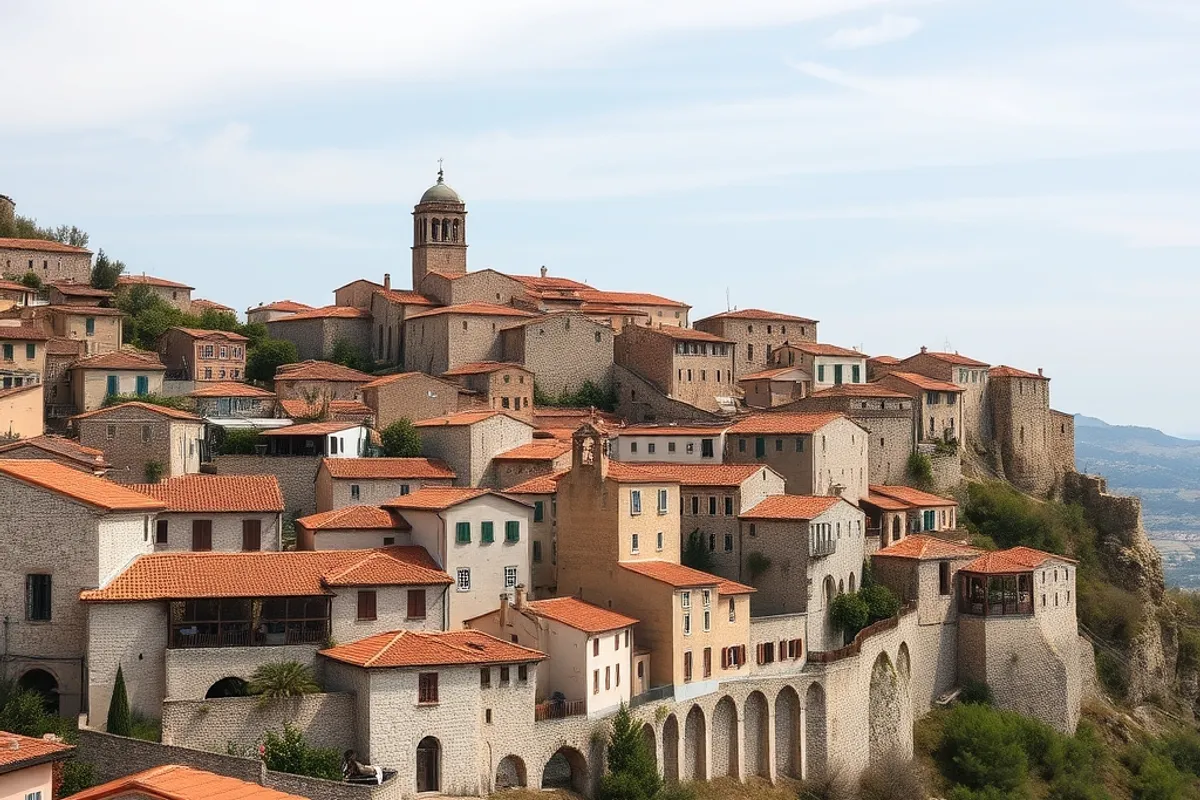
1. The small walled town
Best for travellers who want to walk everywhere and see how a historic centre works at street level. Choose a town with a year-round population, not one that empties after the coach season. Go on a weekday morning, stay one night and eat away from the main gate.
2. The living monastery or convent
Best for quiet travellers and those interested in craft and agriculture. Some religious communities welcome visitors for a few hours or a simple stay. Dress modestly, respect the timetable and do not treat the residents as exhibits. Book ahead and ask what is expected of guests.
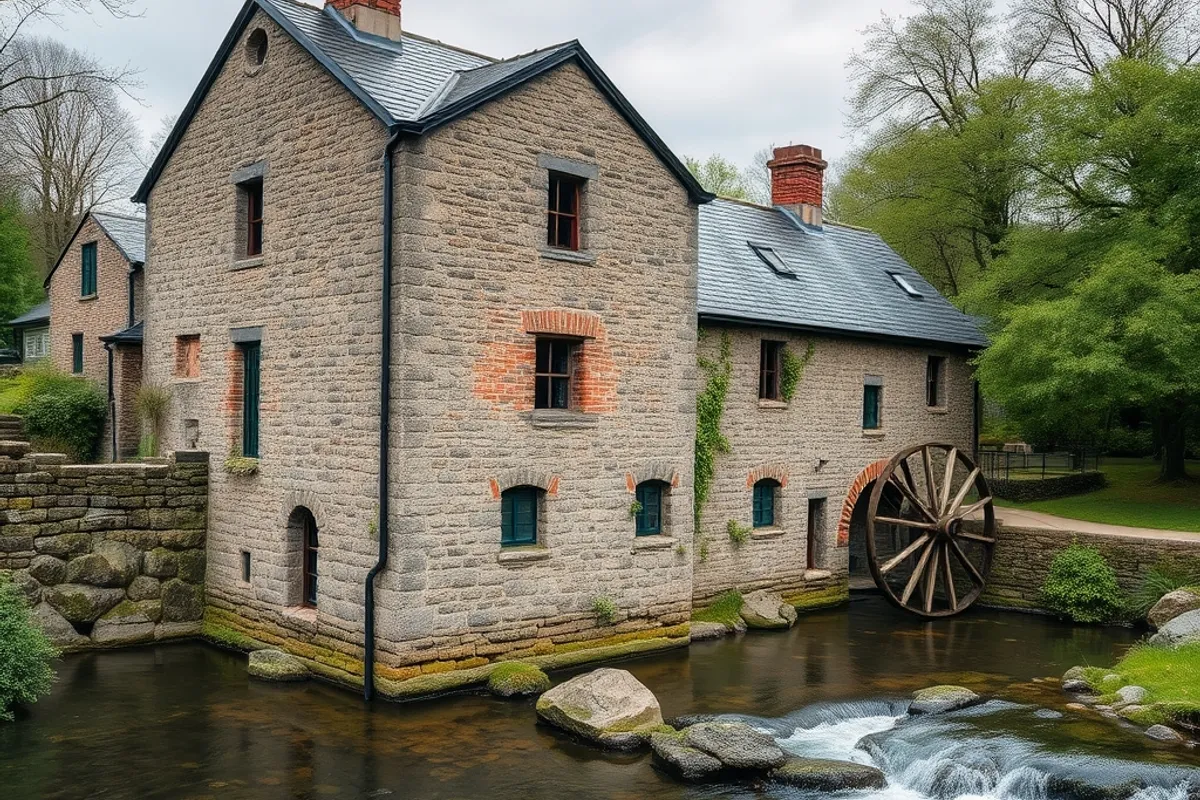
3. The industrial heritage site
Best for travellers who like machinery, engineering and social history. Old mills, mines and railway workshops explain how a region actually made its money. They are often less crowded than palaces and more honest about working conditions. Check opening days, as volunteer-run sites can be limited.
4. The terraced farming landscape
Best for walkers and slow travellers. Vineyards, rice terraces and olive groves are heritage made by generations of labour. Follow marked paths, do not walk through crops and buy something from a farm shop. The best visits are short, respectful and leave the soil alone.
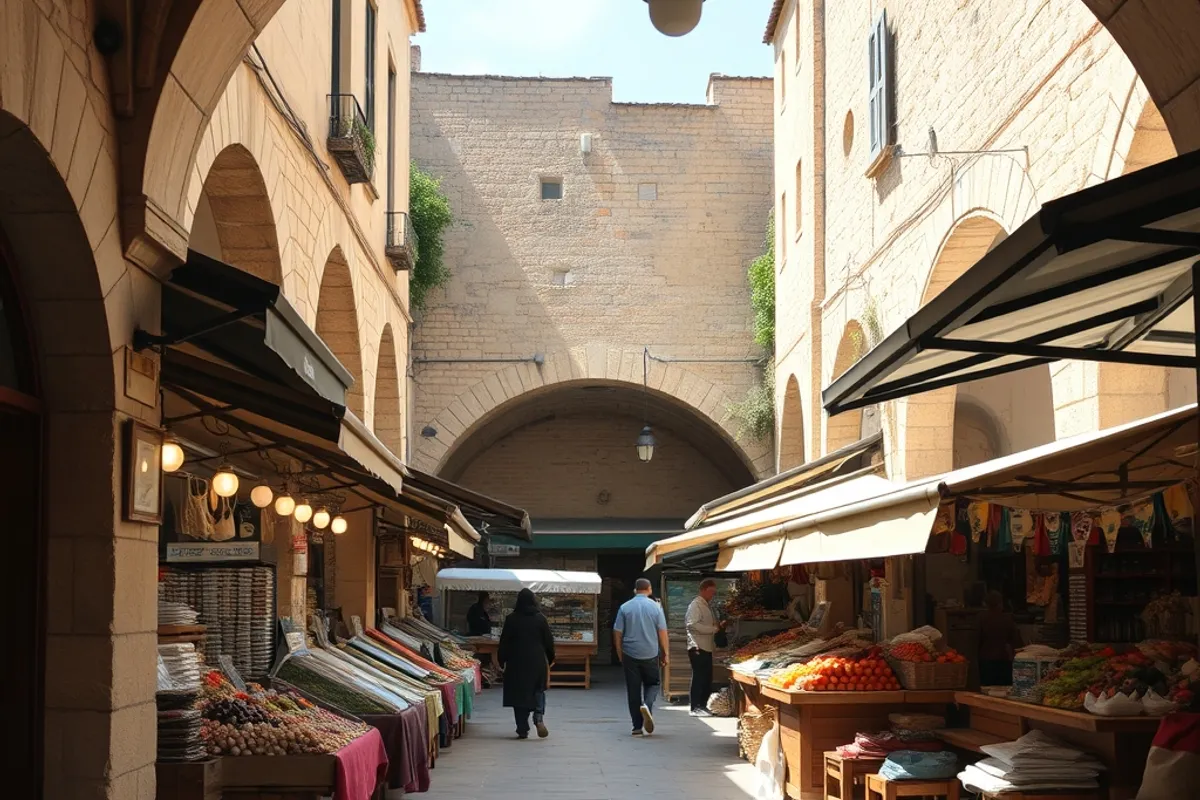
5. The historic market town
Best for food and ordinary life. A market that serves local residents is a better heritage experience than a craft demonstration staged for tourists. Go early, bring cash, ask what is in season and avoid blocking the stalls with a camera.
6. The archaeological site with a story
Best for travellers who want context, not just ruins. Choose a site with a good local museum or a guide who can explain the people who lived there. Avoid touching the stones, stay on the paths and go at opening time to beat the heat and the crowds.
The best historic places are not frozen. They are still being repaired, used and argued about.
Liam Hart
7. The remote village with a craft tradition
Best for travellers who are willing to stay longer and spend carefully. A village known for weaving, pottery or woodwork can be a rewarding visit if you buy directly and do not expect a performance. Ask before taking photographs and avoid arriving in a large group without notice.
8. The city district that survived
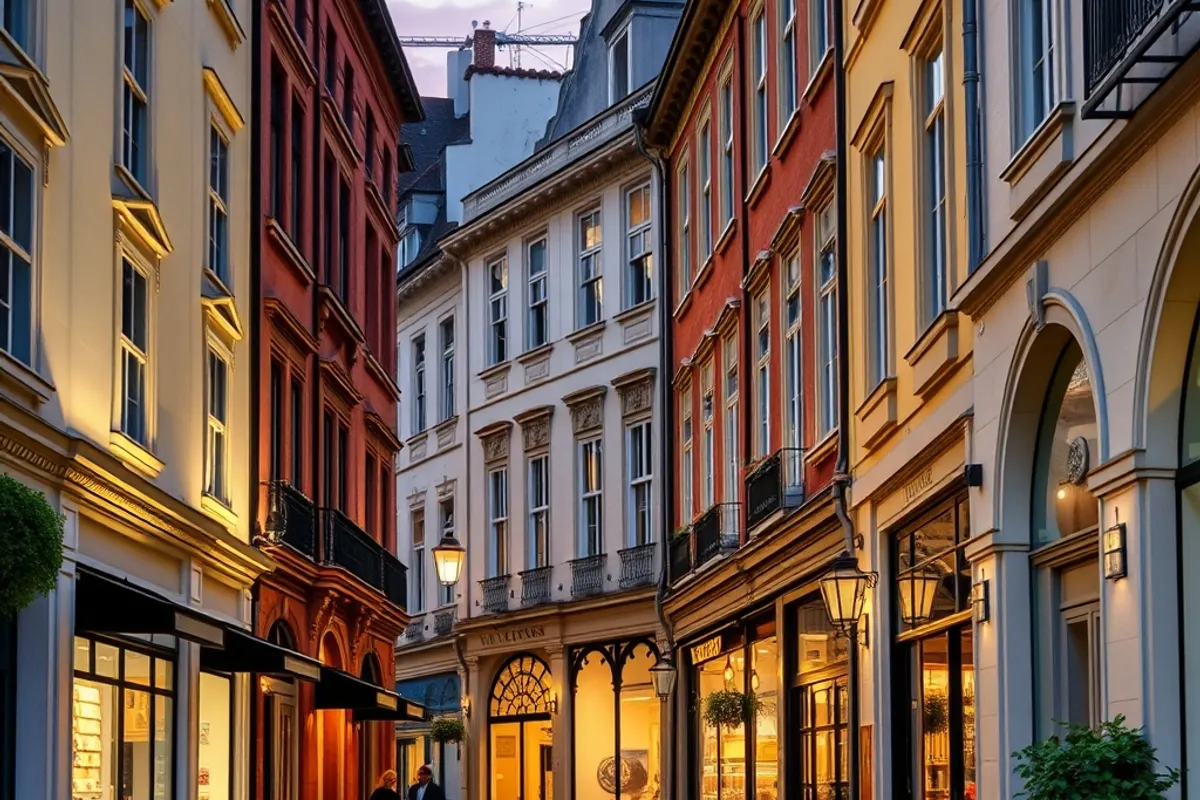
Best for urban travellers who want history without a ticket. Old quarters, port districts and arcaded streets can be explored on foot. Look for the repaired buildings, the small workshops and the places where people still live. Support them by staying in the district rather than commuting in from a chain hotel.
How to choose between them
Pick one place and give it time. A historic town visited for two nights will teach you more than five towns photographed from a bus. Check the local season, book a guide who lives there and leave space for an unplanned walk.
Key facts
- Choose living heritage over staged attractions.
- Stay overnight and spend in the town, not only the site.
- Ask before photographing people or ceremonies.
- Use local guides and respect opening days.
- One place, longer, beats a rushed list.
Final word
A historic place is worth the journey when it still has a pulse. Look for markets, workshops and repaired streets, and let your visit support the people who keep them going.