
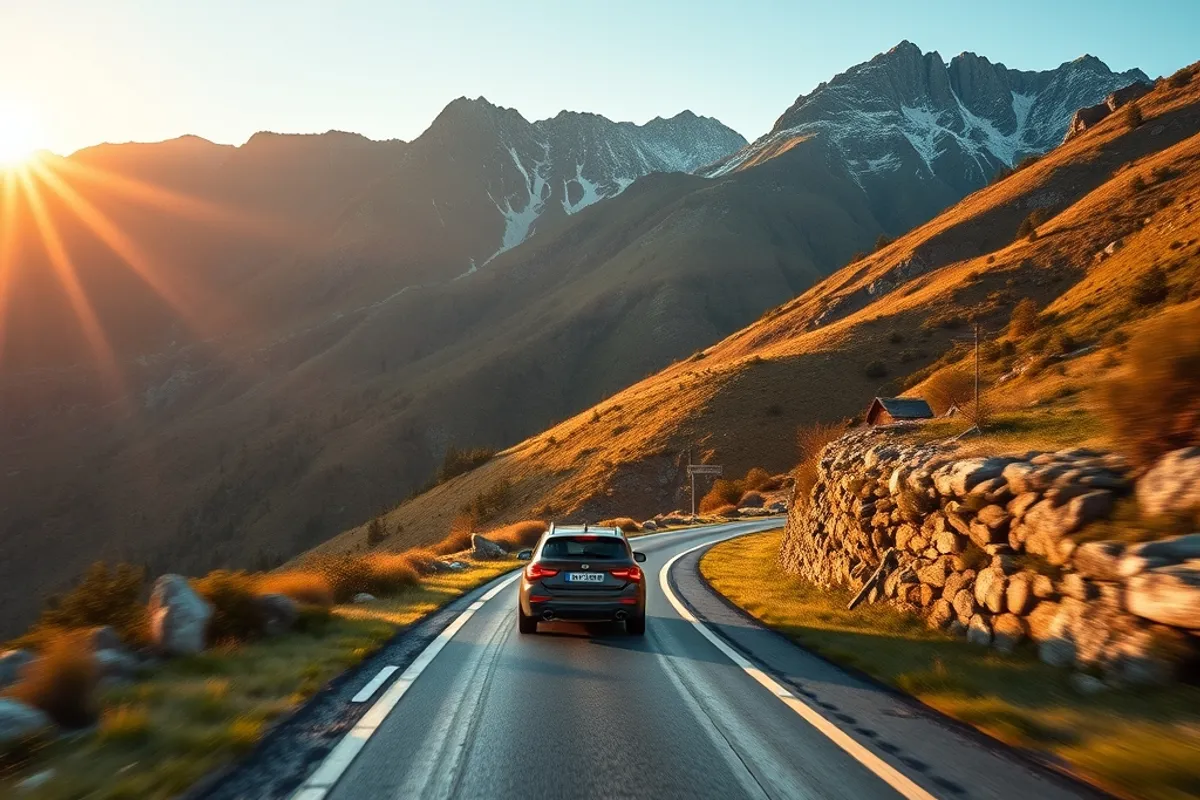
How to Plan a Scenic Getaway: Routes, Timing and Photo Tips
A scenic route is a schedule as much as a road. Get the light and the traffic right and an ordinary viewpoint becomes the memory of the trip.
Scenic drives fail in predictable ways: the light is wrong, the car park is full, the pass is closed or the driver is too tired to enjoy the last hour. None of these are random. They are planning problems, and they are easy to fix.
This guide covers the route, the timing and the photography for a scenic getaway in 2026, with the small decisions that turn a nice drive into a trip you remember.
Choose the road for the season
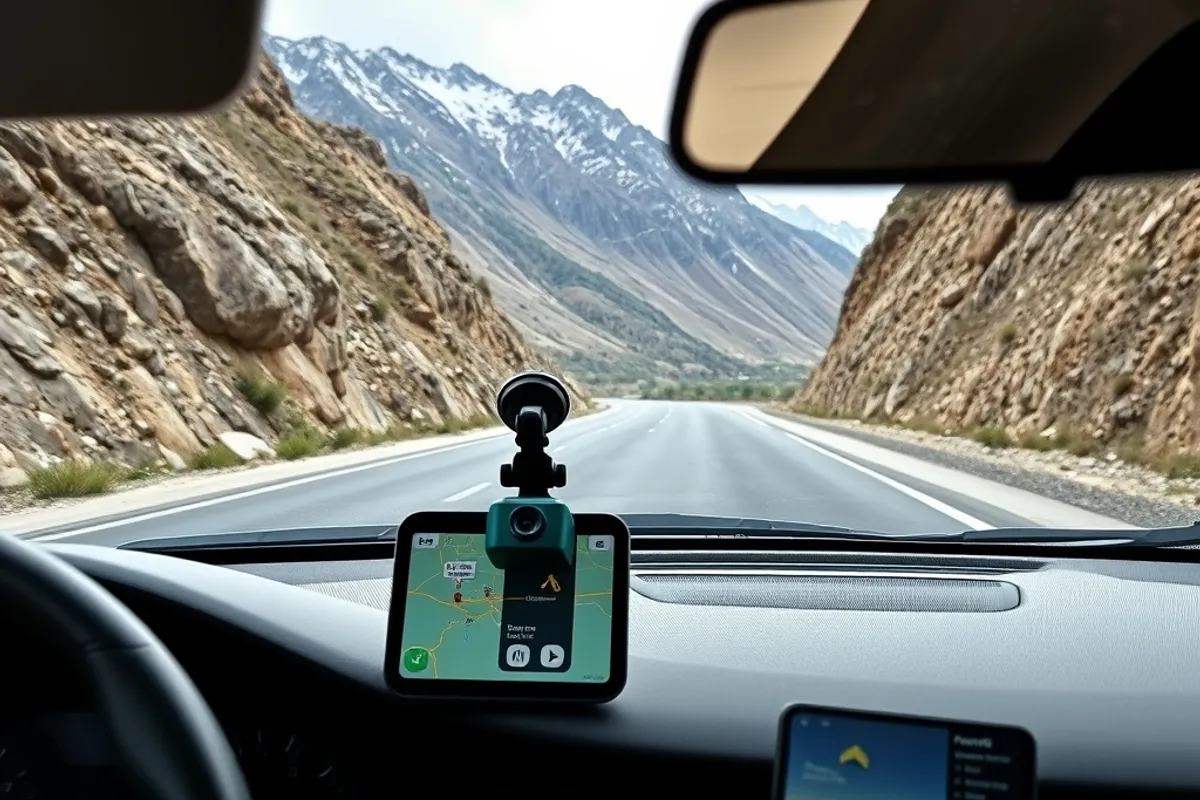
The best road in July may be closed in November. Check opening dates for mountain passes, ferry timetables for coastal routes and the condition of gravel roads after rain. Local tourism offices and road authorities publish current status; a route that looks fine on a map can be a seasonal track.
If you are travelling outside peak season, build in an alternative. A valley road or a lower loop can save a day when the high route is closed. Do not rely on a single viewpoint for the whole trip.
Plan around the light
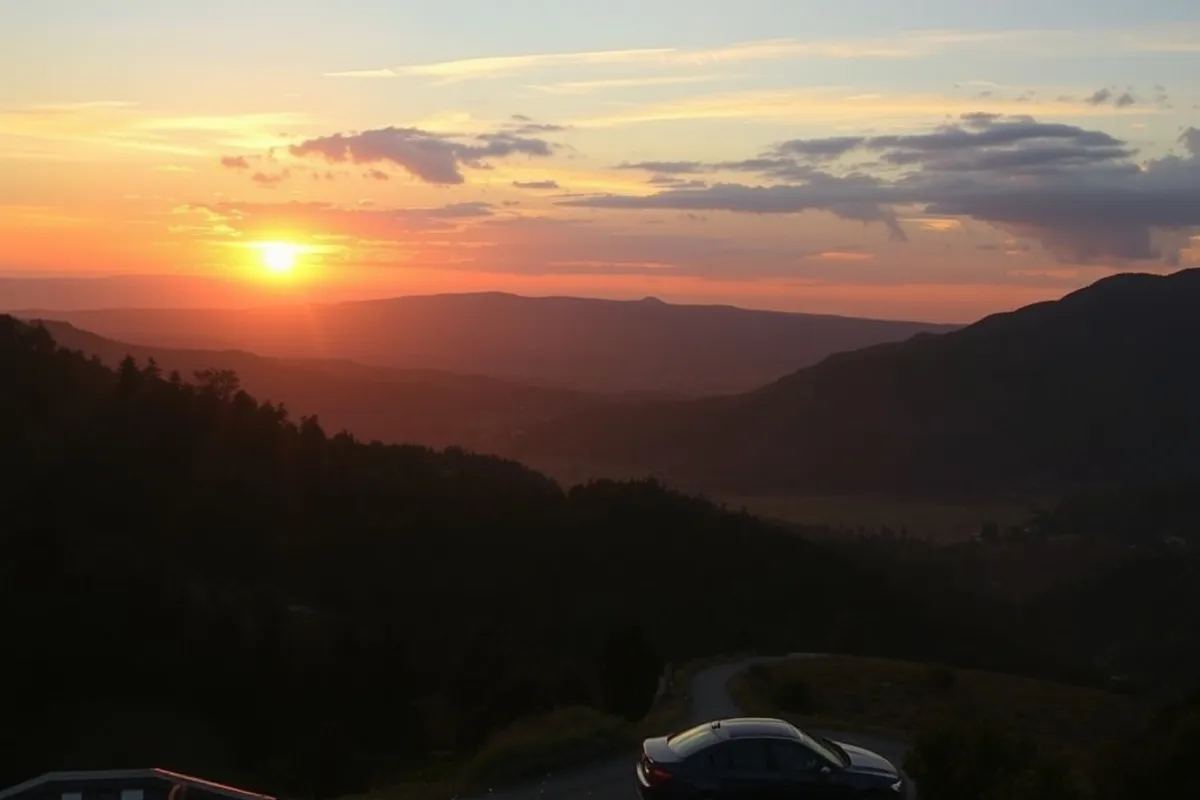
Landscape light is best in the first two hours after sunrise and the last two before sunset. That does not mean you must be on the road at dawn. It means the main viewpoint should be scheduled for one of those windows, with the driving and lunch in between.
Use the middle of the day for a walk, a village or a long meal. Harsh overhead light is poor for photographs and hot for walking. A nap or a museum is a better use of noon than a summit.
Build the route as a list of stops
Mark three kinds of places: a scenic stop, a practical stop and a wildcard. The scenic stop is the reason for the drive. The practical stop has fuel, toilets and food. The wildcard is somewhere you can skip if you are late. This keeps the day flexible without leaving everything to chance.
Add the driving time between stops and then add 30 percent. Mountain roads are slower than the speed limit suggests, and a 20-minute photo stop rarely takes 20 minutes.
Check the car before you go
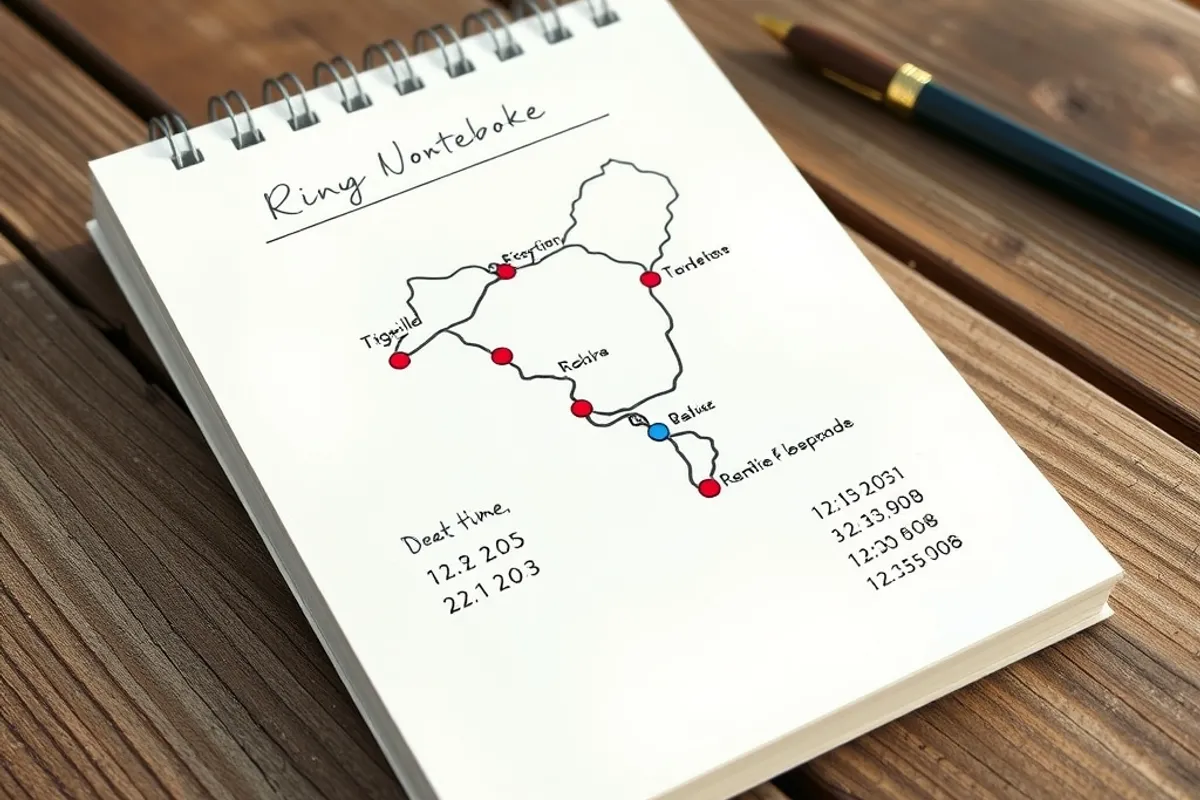
Tyres, brakes, coolant, oil and a spare wheel are the basics. If you are crossing a pass, check the tyre pressures and the tread. Carry water, a warm layer, a torch and a power bank. In remote areas, download the map offline before you lose signal.
Fuel is part of the route. Fill up before the last town and know the distance to the next station. A scenic detour with an empty tank is not an adventure.
Drive the road, not the camera
Stop only in safe places. Use lay-bys, car parks and viewpoints, never a blind bend or a narrow verge. If you miss a shot, turn around at the next safe opportunity or let it go. A photograph is not worth a collision.
Share the driving if you can. The passenger can navigate and watch for turnings, and the driver can concentrate on the road. On long days, swap before fatigue sets in rather than after.
No viewpoint is worth a blind-corner stop. The next one is usually better and always safer.
Ines Duarte
Take better photographs without a studio
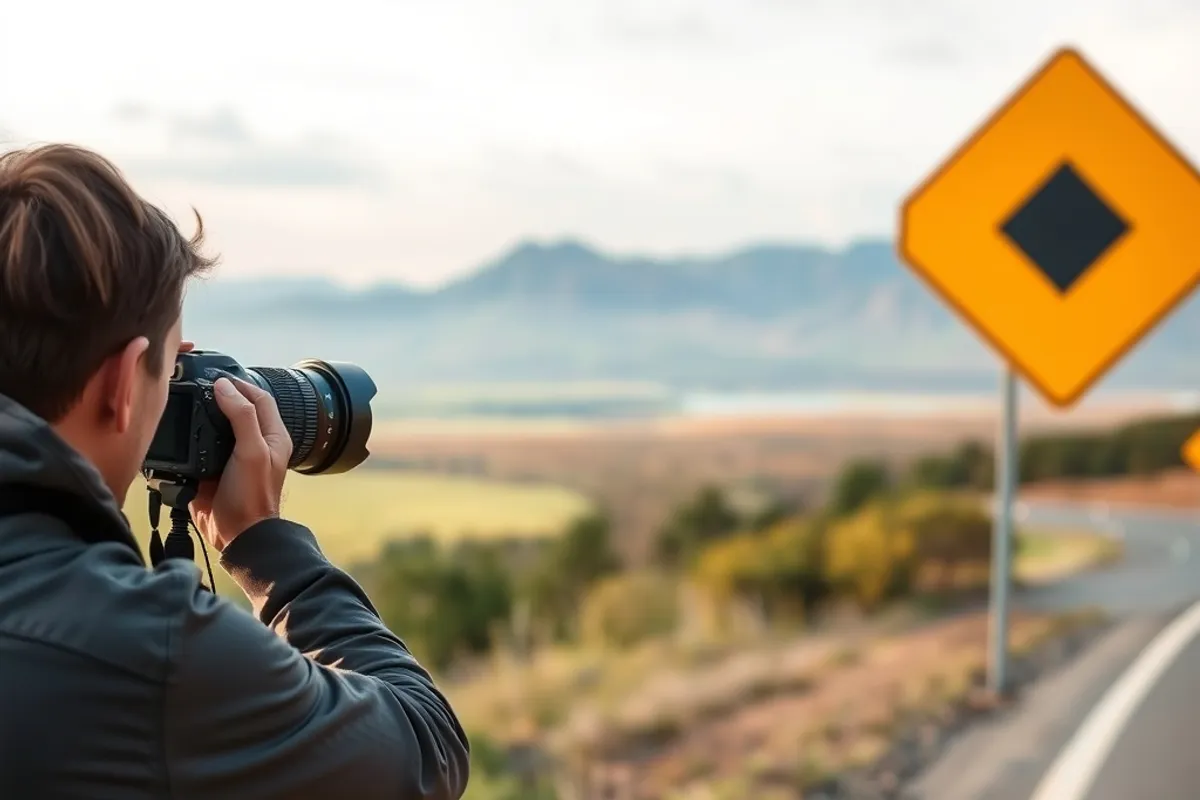
A phone is enough for most scenic trips. Keep the horizon level, tap to focus, and avoid digital zoom. Use the early or late light, include something in the foreground for scale and take one wide frame before you chase details. Wipe the lens; it is the most common reason a phone photo looks soft.
If you carry a camera, bring one lens you understand and a spare battery. A tripod is useful for dusk and waterfalls, but a small flexible one is often enough. Do not spend the whole trip looking at a screen.
Plan for food and toilets
Scenic areas can have long gaps between services. Pack water and a simple lunch, and check opening days for the places you plan to eat. A village cafe may close in the afternoon, and a mountain hut may only take cash. Keep some snacks in the car for the drive back.
Have a bad-weather plan
Cloud, rain and wind are part of the experience, but they change the day. A low-cloud route can still be beautiful in a forest or a valley. Keep one indoor stop, such as a museum or a local producer, and be willing to turn the drive into a shorter loop. For more ideas, see our ten scenic getaway ideas.
Leave the last hour unplanned
The best scenic days often end with an unexpected stop: a beach, a viewpoint, a small town. Do not book dinner so tightly that you cannot take it. A scenic getaway is supposed to feel like space, not a delivery schedule.
Key facts
- Check pass openings and road conditions for the season.
- Schedule the main viewpoint for early or late light.
- Plan three stops and add 30 percent to driving time.
- Stop only in safe lay-bys and share the driving.
- Keep water, fuel and a bad-weather alternative.
Final word
A scenic getaway is a small piece of logistics with a big reward. Choose the season, respect the light, leave room for the unexpected and drive for the day rather than the photograph.